
A photography project spotlighting women and girls affected by neglected tropical diseases
Artists:
Maureen Gathoni, Maheder Haileselassie, Temiloluwa Johnson, Amarachi Nnoli, Jodi Windvogel
Over 1.4 billion people are affected by a neglected tropical disease, close to a billion of them children. They cause severe pain and long-term disability, and they are among the most treatable conditions in global health, several can be eliminated outright. Women and girls carry more of this burden than anyone else. In households without water on the premises, women and girls are the ones who likely go and fetch water and that contact with unsafe water is itself a route of infection. They are often the ones caring for infected children, a major reason trachoma blinds women up to four times as often as men. And in the case of female genital schistosomiasis, their symptoms can be mistaken for a sexually transmitted infection, so they wait rather than face potential shame and stigma. Treatments for NTDs are largely donated by pharmaceutical companies and national governments lead the work with partners like the END Fund in support.
The END Fund developed Through Her Lens in partnership with African Women in Photography to spotlight the stories of the women behind the numbers. We asked five women photographers to spend time with women across Africa to understand how NTDs affect women and girls. Maureen Gathoni, Maheder Haileselassie, Temiloluwa Johnson, Amarachi Nnoli, and Jodi Windvogel, each spent time in the communities they photographed, building trust and producing work that moves beyond clinical documentation into the social, cultural, and personal dimensions of the people impacted. They came back with Subira on her cassava farm at 72; Chepokaptoyoi, who travelled 70 kilometers with two small children to find treatment; and Suliya, who intends to be a teacher. Our thanks go to these women and girls who let five photographers into their homes and their clinics and told them their truths, and to the women who decided not to be photographed, whose reasons aredocumented here too.
THE END FUND is a collaborative philanthropy fund dedicated to ending six neglected tropical diseases (NTDs) that affect 1.4 billion people worldwide. Acting as a connector, the END Fund mobilizes capital from a network of philanthropists, foundations, corporate investors, and individual donors, while also supporting pharmaceutical drug donations.
AFRICAN WOMEN IN PHOTOGRAPHY is an organization and community dedicated to elevating and celebrating the work of women and non-binary photographers from Africa. It connects photographers with editors, curators, partners, and platforms, creating opportunities for meaningful collaboration,visibility, and community building.
#ThroughHerLens
Curator Sarah Waiswa
Creative Producer Yusuf Ahmed
Project Producer Henry Rosenbloom
Editors Greg Porter, Heran Abate, Zakiya Bishton
Exhibition Design and Production Photoville

Amarachi Nnoli
TSAGIYA
Schistosomiasis is a parasitic infection transmitted through fresh-water snails. In women and girls, this infection can cause female genital schistosomiasis leading to chronic inflammation and long-term reproductive health complications.
ABOUT THE PROJECT
Tsagiya centers the bodies of a group of young girls affected by female genital schistosomiasis, bringing their often-private experiences into the public sphere. The project offers a glimpse into life beyond the disease, inviting viewers to look past medical labels and towards the social realities that shape these young girls’ lives. In this area, the burden of schistosomiasis falls heavily on girls between the ages of six and sixteen, who are responsible for fetching, washing and cooking with whatever is available. Through their stories, Tsagiya explores how they navigate stigma, resilience, and dignity in the face of an often overlooked condition.
In Bauchi, a state in Northern Nigeria, across from me three teenage girls, Bahija, Khadija, and Rukhaya, sat hesitant to speak about the disease affecting their reproductive health. Schistosomiasis, a parasitic infection can show symptoms similar to sexually transmitted diseases, and women risk being misinterpreted, judged or accused of promiscuity or infidelity if they speak openly.
Silence shapes how women navigate this illness in nearby Tiffi Ward. Faith, cultural modesty and the weight of reputation influence what can be said and to whom.
Many adult women choose not to go on record or be documented but instead point to their young daughters, nieces or young neighbors. As a result, children, particularly girls, have become the public face of a deeply private burden in this community.
Tsagiya, the title of this collection, is adapted from the local Hausa term, which when asked the meaning, Khadija Zuberu, a 16-year- old girl affected by schistosomiasis, explained in simple translation, “someone urinating with blood.”
Female genital schistosomiasis (FGS) is a stand-out example of how NTDs can have disproportionate impacts on women and girls. At least 56 million women and girls are living with FGS in Africa alone, although the true burden is likely to be considerably higher because the disease remains underdiagnosed and underreported. Cross-sectional studies in Mozambique, Tanzania and Zimbabwe showed that adult women with FGS were three to four times more likely to be living with HIV than women without FGS.
ABOUT THE PHOTOGRAPHER
Amarachi Nnoli is a documentary photographer whose practice explores women in different fields of life and the archiving of Igbo cultural practices. Her work has been exhibited in London, Chicago, Zaragoza, and Lagos. She is a founding member of the Ahutan Collective and a member of Black Women Photographers and African Photojournalism Database.
Habsa, eight, currently living with schistosomiasis poses alongside young girls her age.
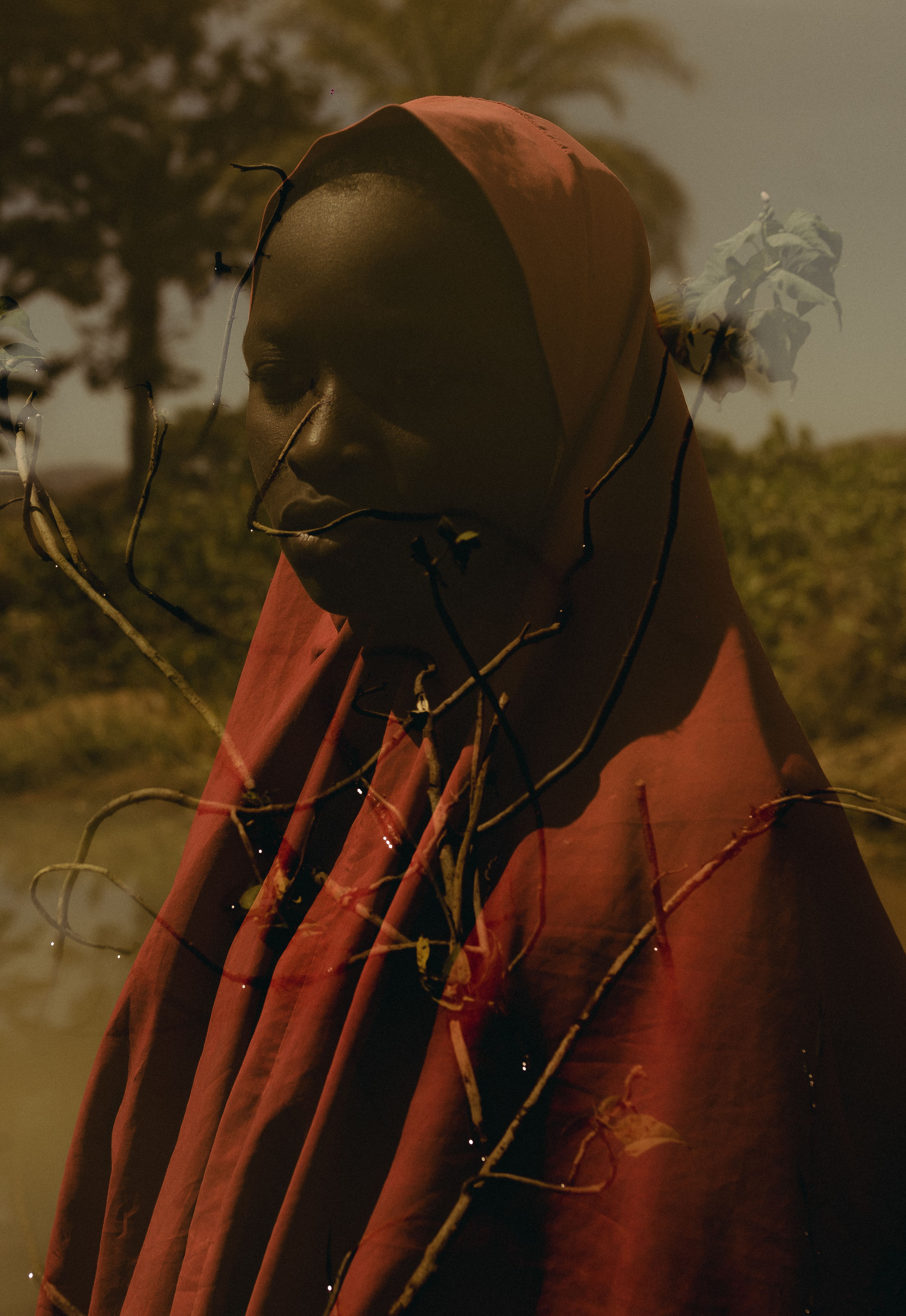
Aisha, 13, living with schistosomiasis, poses in front of the almost dried up stream in Wushani, Tiffi Ward, Bauchi State, Nigeria.
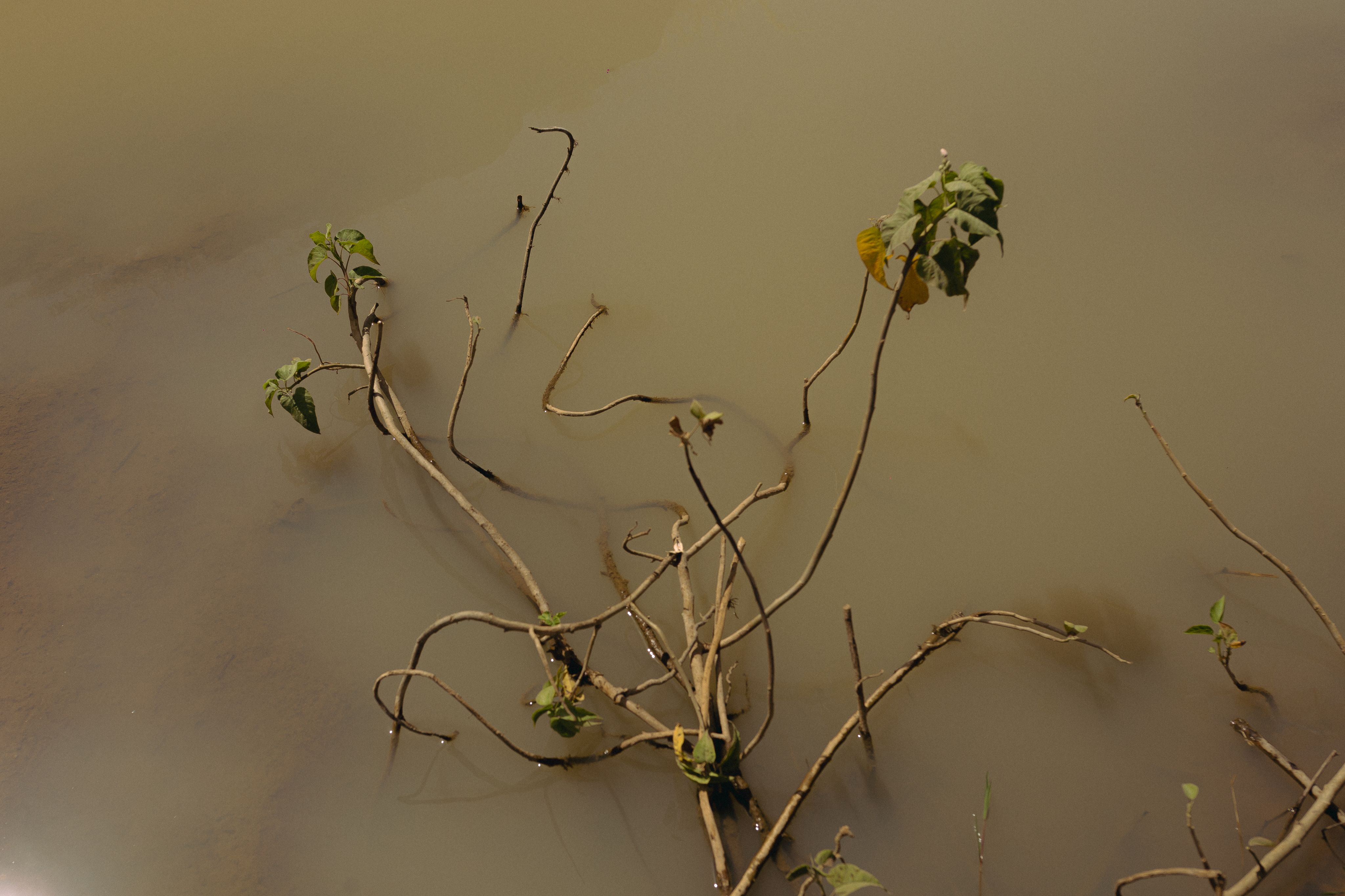
A small stream of water where community members fetch water to meet their daily needs. During the long dry season, water points such as this shrink into shallow, stagnant pools under the harsh northern climate, concentrating parasite-infested water and increasing exposure for women and children who must still fetch, wash and cook with whatever is available.
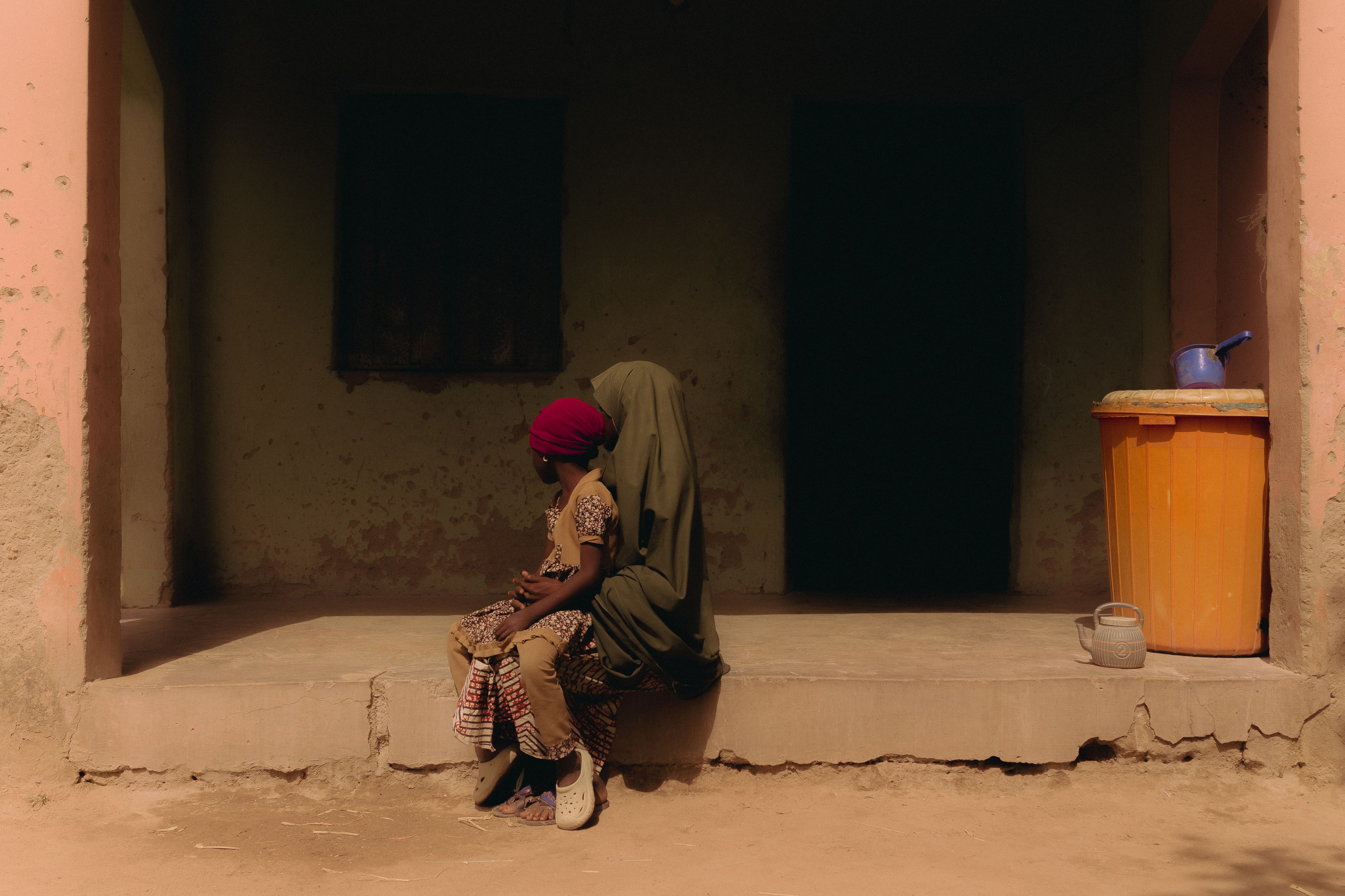
Nafisat, six, and her mother, Habasiyat, 29, pose for a portrait in Wushani, Tiffi Ward, Bauchi State, Nigeria, hiding their faces due to the sensitive nature of the disease.
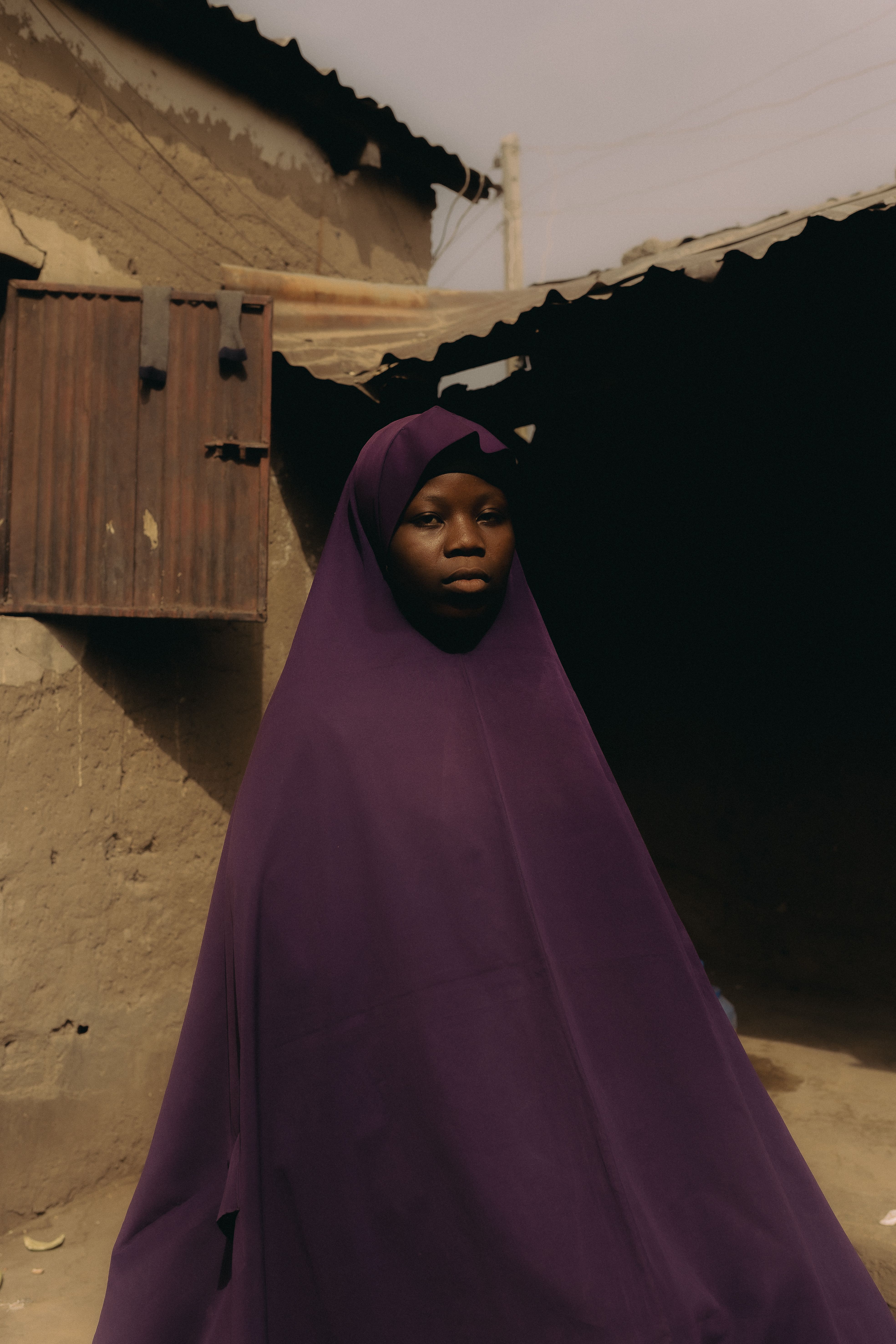
Bahija Abdullahi, 16, one of the girls affected by schistosomiasis, sits outside her family home.
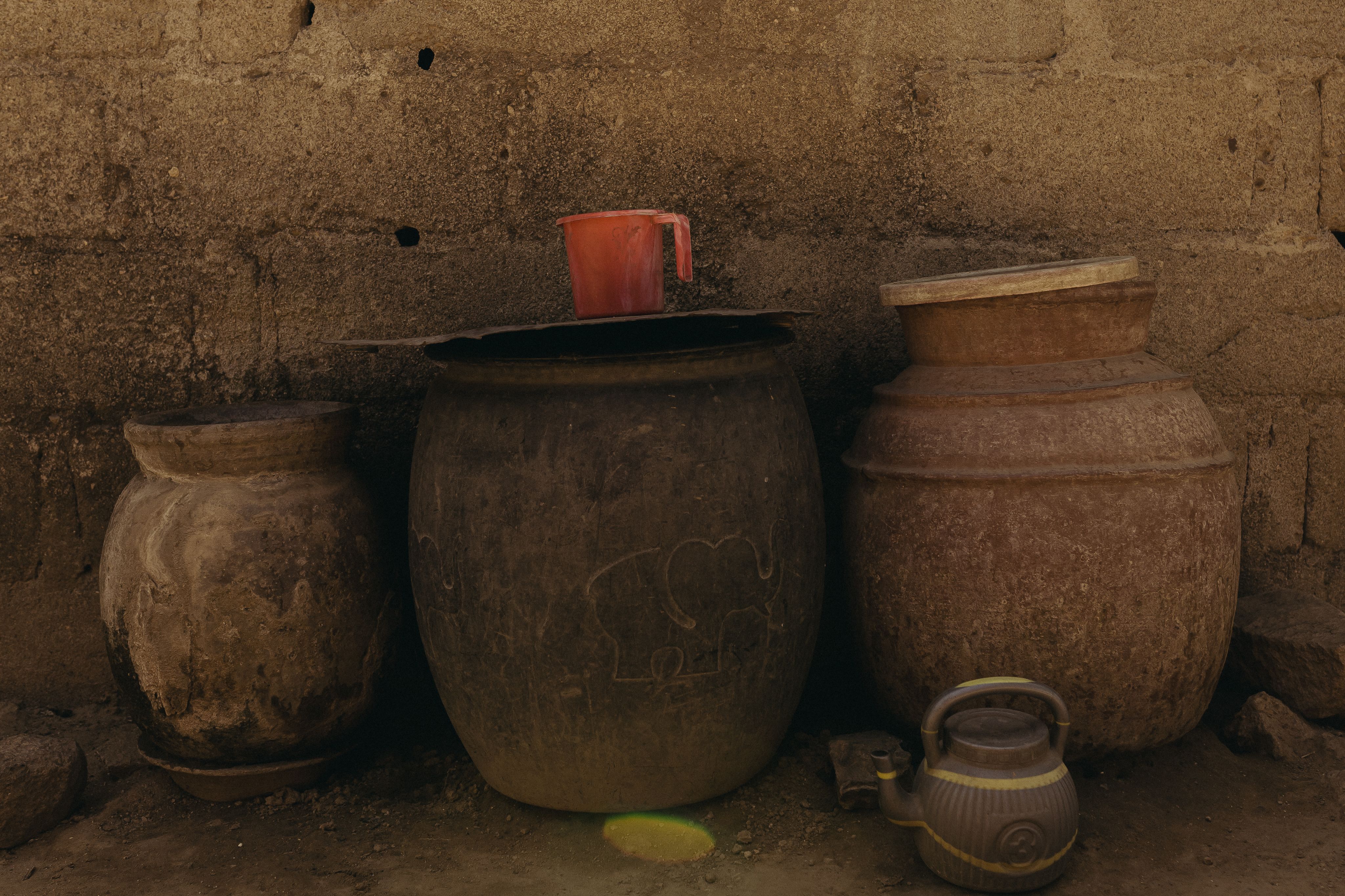
Water storage pot used in one home in Bauchi State, Nigeria.


Aisha, 13, walks down the path to the almost dried up stream in Wushani, Tiffi Ward, Bauchi State, Nigeria.
Temiloluwa Johnson
THE WORMS THAT STAYED
Intestinal parasites are a persistent reality of daily life in Ugbonla causing malnutrition, anemia, stunted growth, and complications in pregnancy.
ABOUT THE PROJECT
“Whatever we do here, it’s in this water,” Faith says, pointing to the black-brown water. Pregnant with her eighth child, she explains plainly, “We shit there, we collect water from there to drink, to wash, to cook. Every dustbin is in this river.”
The Worms That Stayed explores the impact of parasitic worm infections on women in the fishing village of Ugbonla, Ondo State, Nigeria. This project focuses on three women: Faith Adeyemi, a pregnant fishmonger; Idowu Ogunbajo, a nurse; and Sijuade Balogun, a patent and proprietary medicine vendor ensuring deworming medicines reach those who need them. In this prominent economic hub in the Ilaje area of Ondo State, the river is both a gift and a curse. It is central to survival, but also a source of sickness. The worms stayed because the conditions that invited them stayed too.
Many cases are treated outside the formal healthcare system, in part because of cultural interpretations of illness, cost barriers, and distance from facilities.
The worms that stayed are metaphors for the gaps in our healthcare systems and the blind
spots in a global health strategy that champions drug distribution but has yet to fully deliver the foundational pillars of water, sanitation, and hygiene.
The true measure of success will not be the number of tablets dispensed or percentages covered. It will be the day Ugbonla has a stable, clear water supply, when mothers are no longer burdened by costly health challenges, when children attend school uninterrupted, when the river runs clean — when it is only a gift, no longer a curse.
Women of reproductive age have substantially higher iron requirements than men, and therefore diseases that cause chronic blood loss can have disproportionately severe consequences. Parasitic worm infections compound the physiological demands of menstruation and pregnancy, increasing the risk of iron deficiency and maternal anemia. Maternal anemia is associated with low birth weight, preterm birth and increased maternal morbidity, illustrating how a single NTD affects both maternal and child health.
ABOUT THE PHOTOGRAPHER
Temiloluwa Johnson is a photojournalist and storyteller based in Lagos, Nigeria. Her work centers around identity, social and cultural expression, and environmental issues. In 2025, she became the only Nigerian photographer on the World Press Photo Award list for Africa, winning in the Singles category.
Mrs. Sijuade Balogun, locally known as “the chemist,” sits in front of her small roadside shop in Ugbonla community, Ilaje Local Government Area of Ondo State, Nigeria. She is a patent and proprietary medicine vendor and often the first point of contact for residents experiencing symptoms from NTDs.
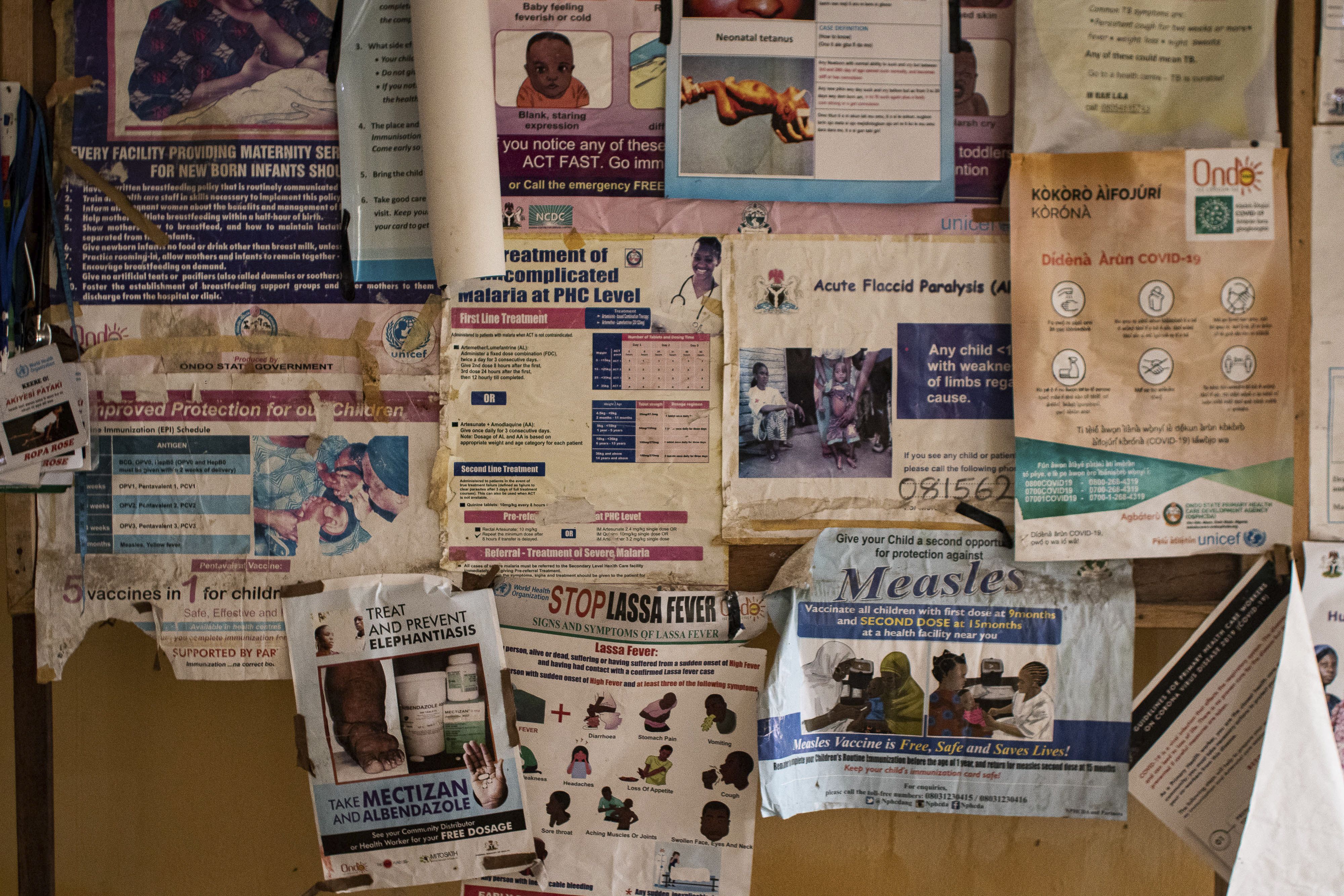
The Ugbonla Primary Health Center stands as the community’s only formal health facility amid widespread informal care.
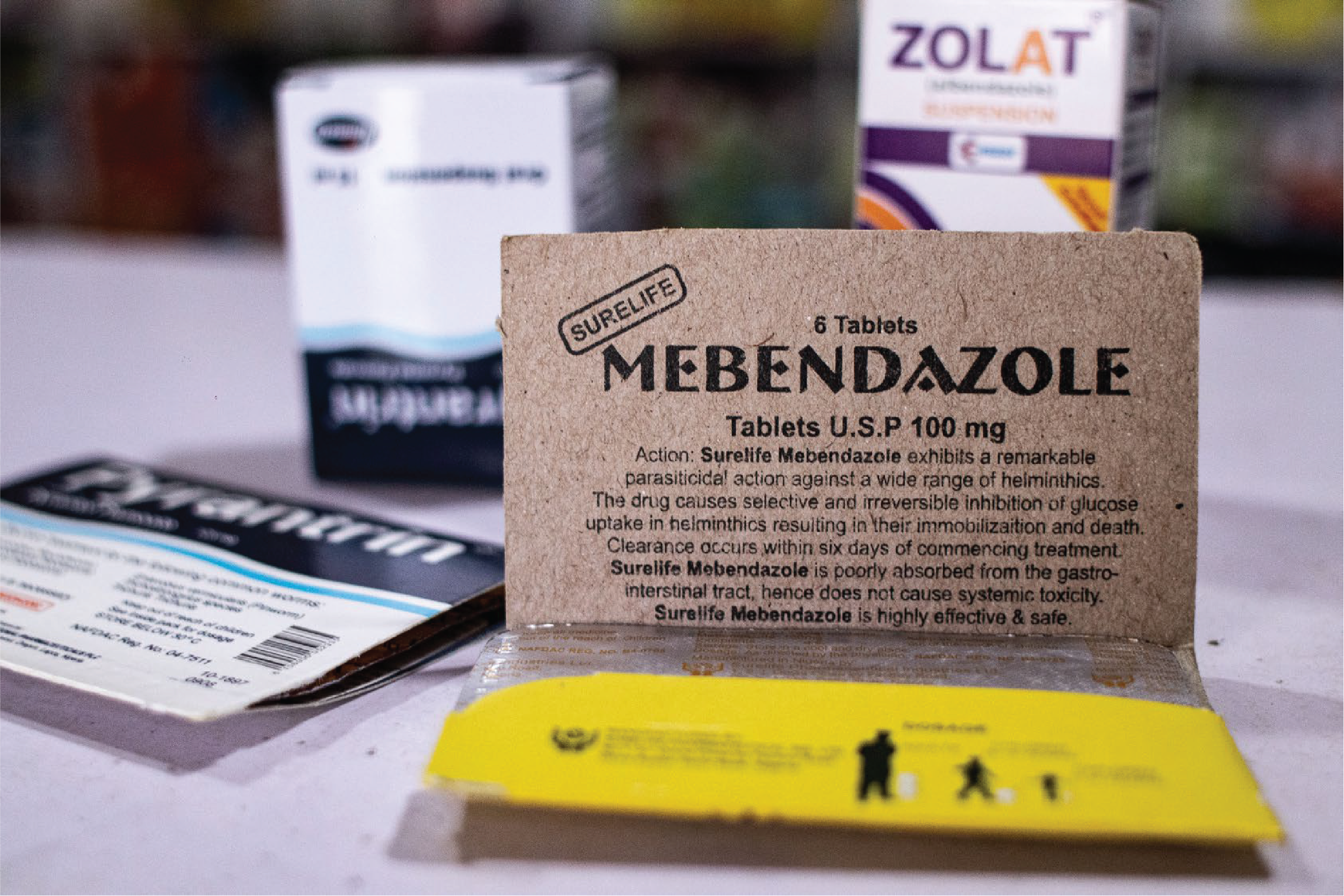
Packets of mebendazole and other over-the-counter medications sit neatly arranged on the wooden table of Mrs. Sijuade Balogun’s roadside chemist shop.
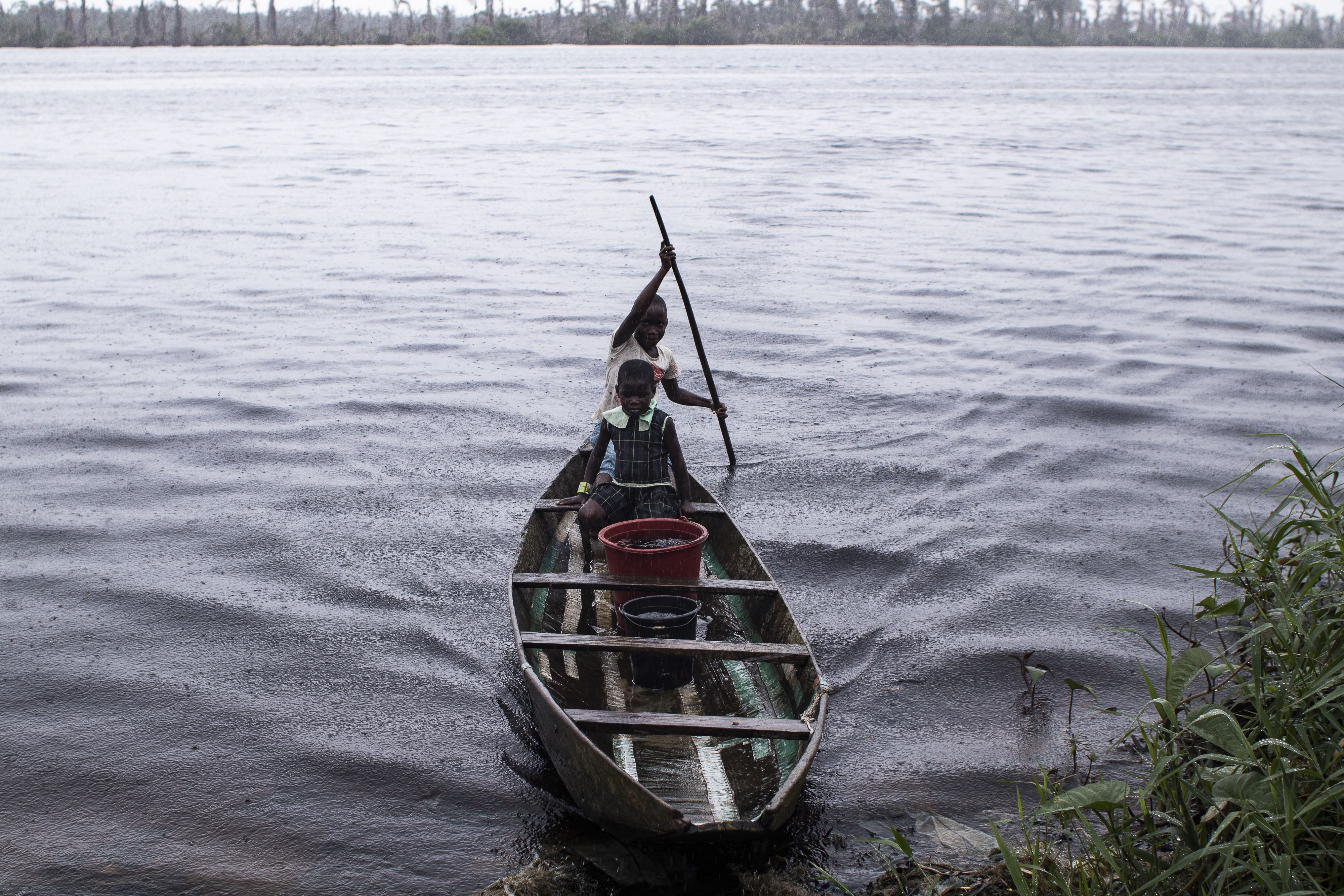
The children of fishmonger Faith Adeyemi set out on the Ugbonla River to take what they believe is clean water from the middle of the river while it rains. Their daily lives revolve around the Ugbonla River, which serves as the family’s main water source despite being contaminated by open defecation and household waste.
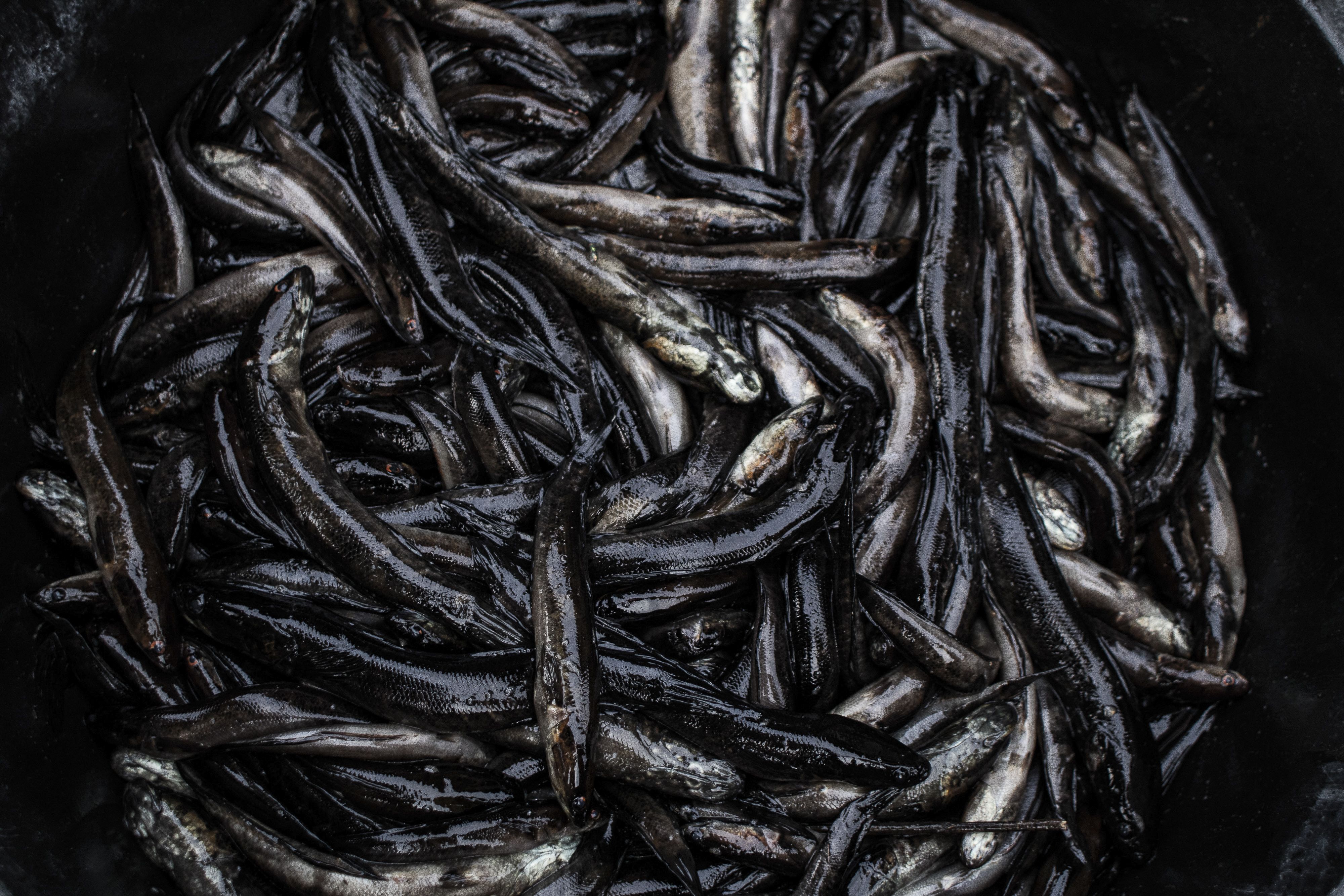
Freshly caught fish sit in a large plastic bowl after being brought in from the Ugbonla River by local fishermen.
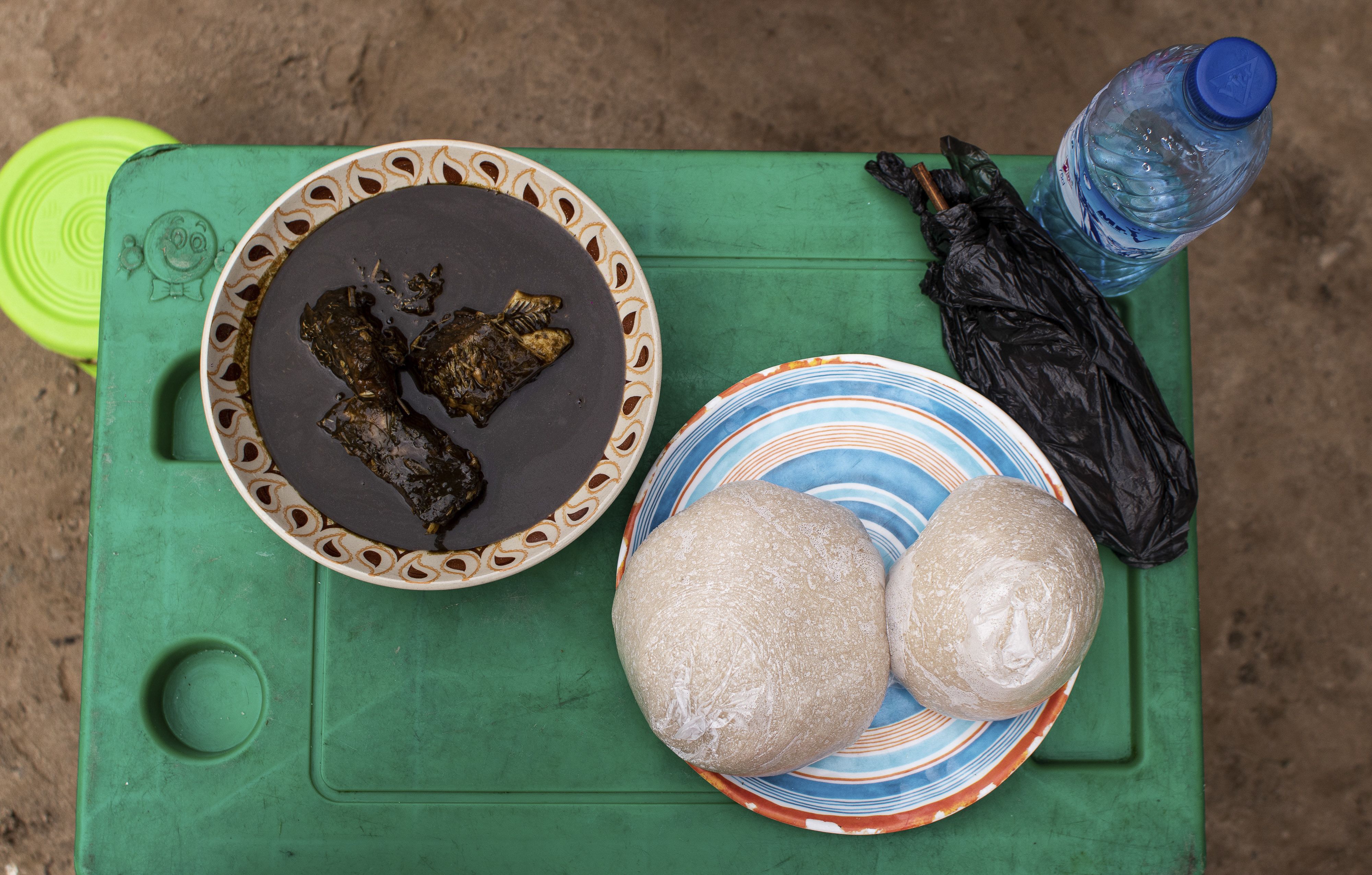
A plate of fish black soup and pupuru, a staple in Ugbonla, Nigeria.
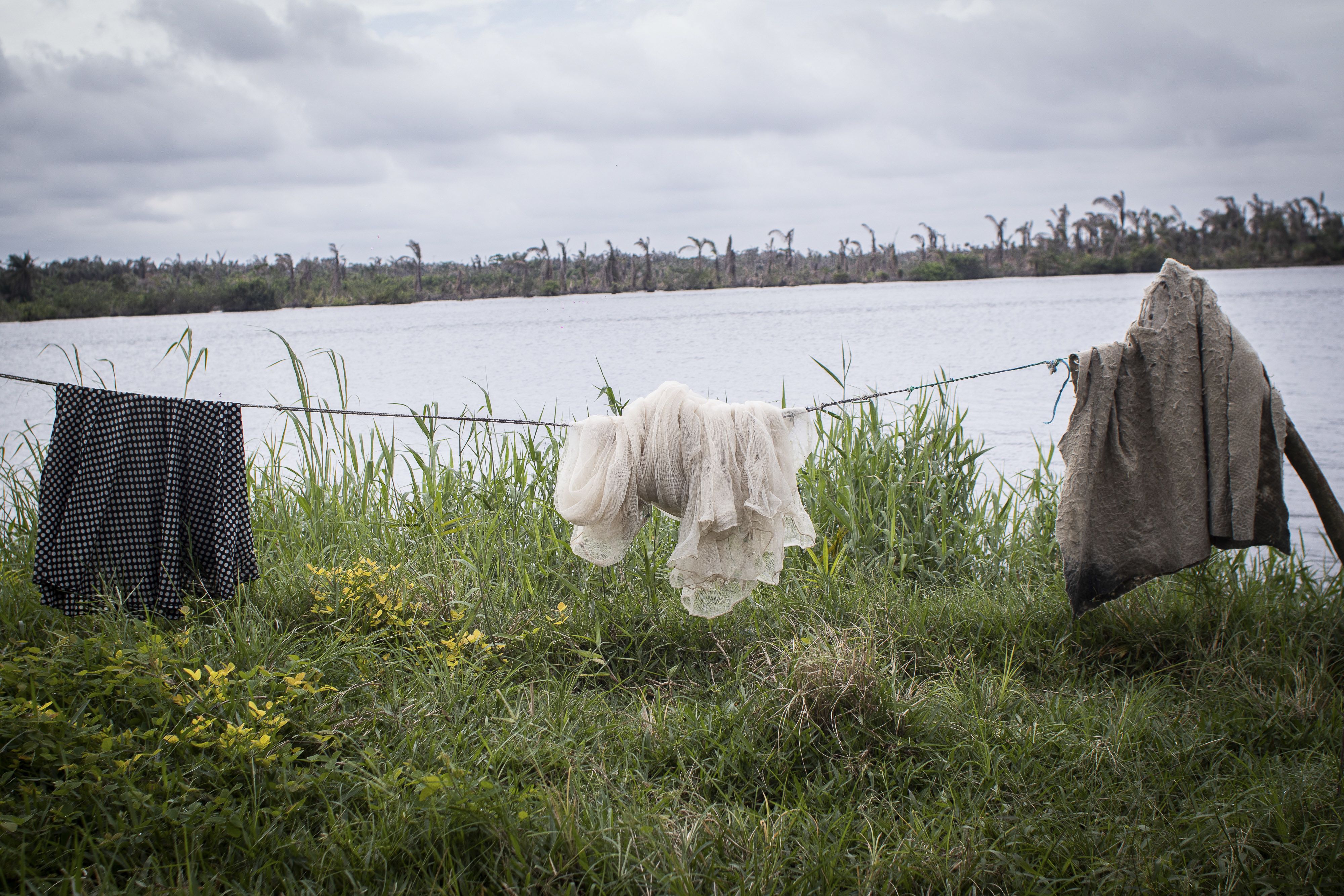
In Ugbonla, clothes spread to dry on a wire by the riverside, where domestic life blends with the same waters used for drinking and bathing.
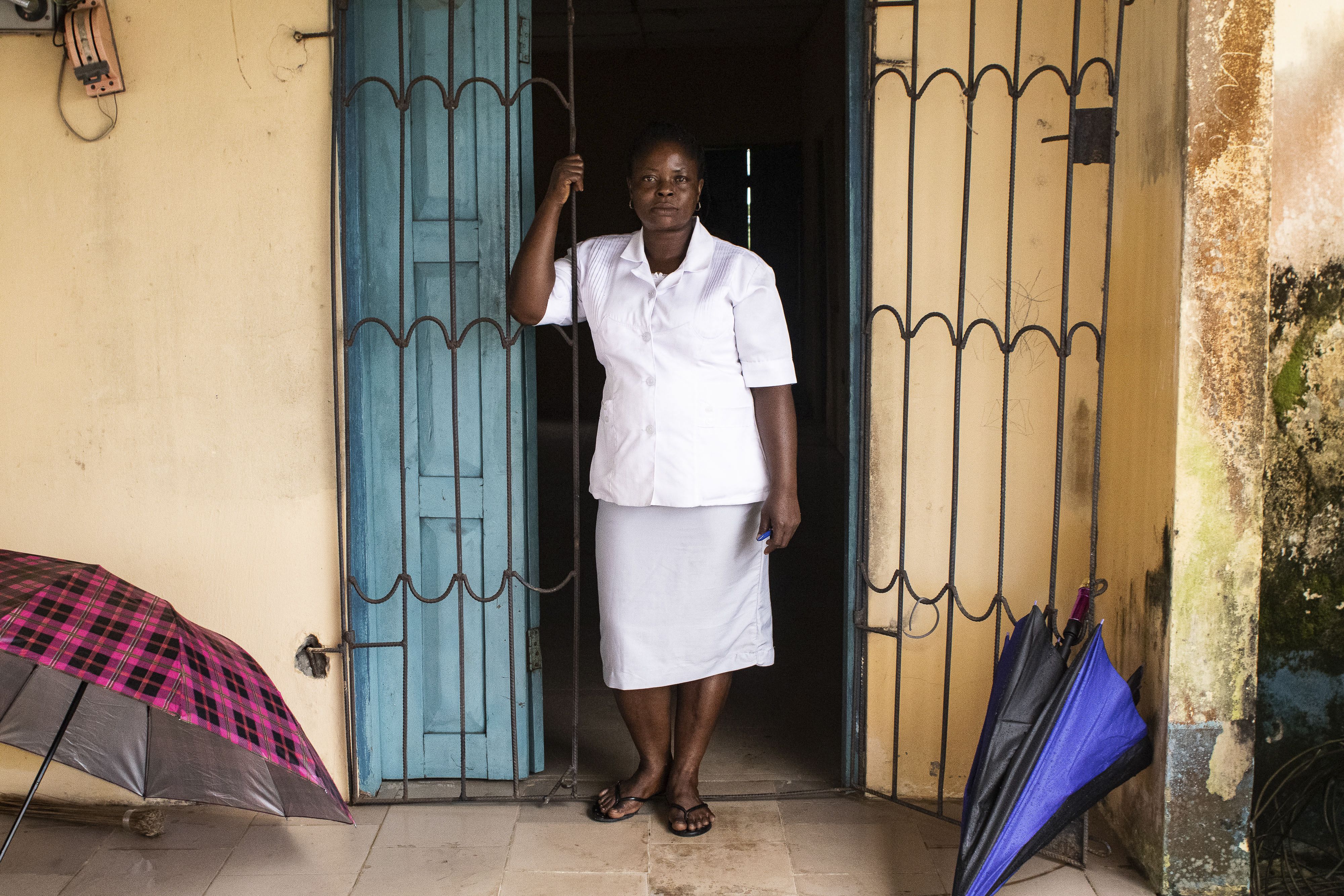
Portrait of Nurse Idowu Ogunbajo, Officer-in-Charge of the Ugbonla Primary Health Center, posed at the front of the clinic.
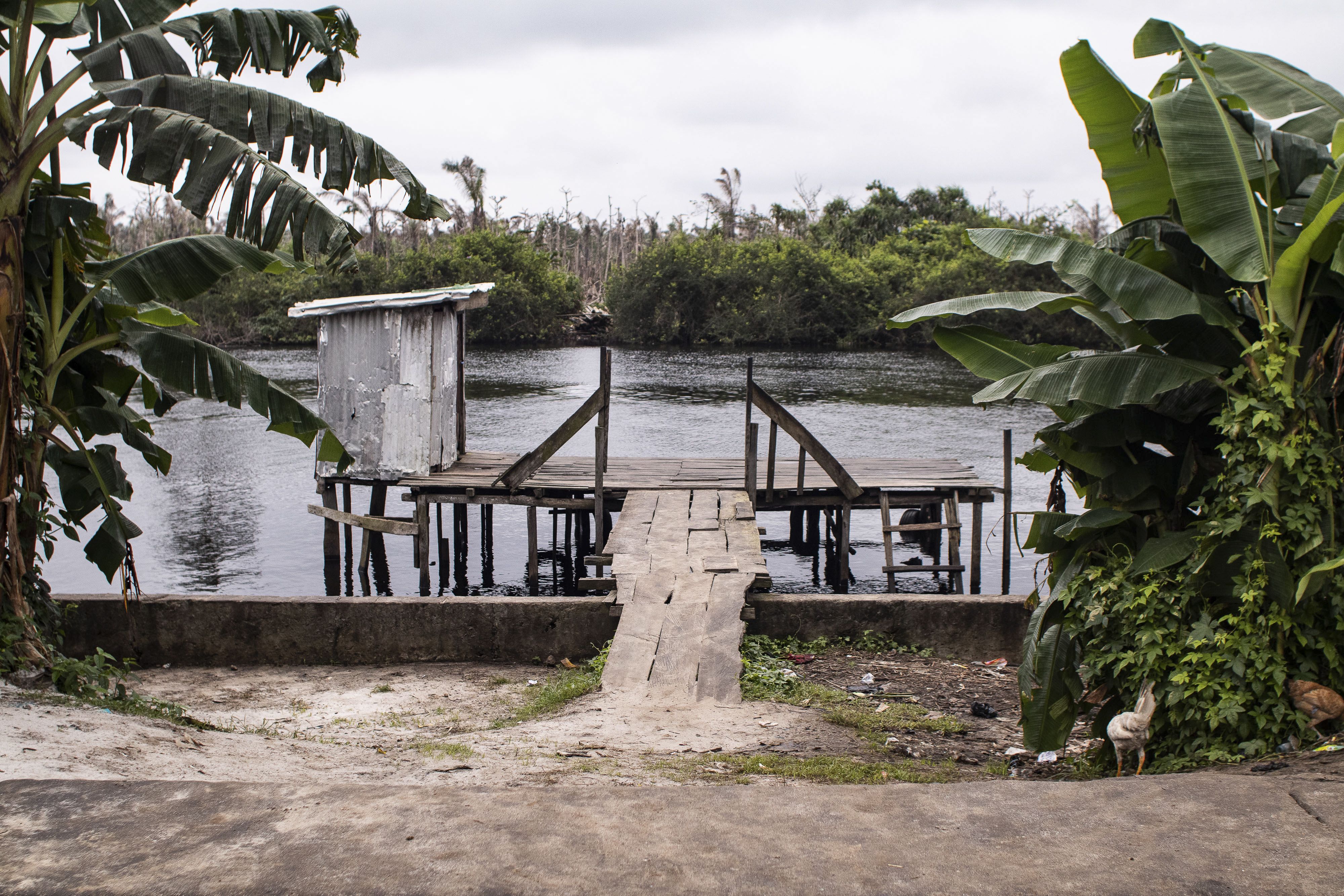
Built on wooden stilts, Ugbonla’s open toilets empty directly into the river, merging sanitation with the same waters used for drinking and washing.


Faith Adeyemi, 36, a pregnant fishmonger and mother of seven, sits in her kitchen with her daughter near the Ugbonla River in Ilaje, Ondo State, Nigeria.
Jodi Windvogel
BENEATH THE SKIN,
BEYOND THE STIGMA
Lymphatic filariasis is a parasitic disease spread by mosquitoes. The parasites enter the body through bites from the mosquitoes and travel to the lymphatic system, causing severe swelling if left untreated.
ABOUT THE PROJECT
Beneath the Skin, Beyond the Stigma shows the lived experience of three women living with lymphatic filariasis, infected at different stages of Zanzibar’s treatment and elimination journey. The series features: Subira, a 72-year-old grandmother; Suliya, a 15-year-old student navigating adolescence alongside disease; and Wanu, a 45-year-old community leader whose livelihood is directly constrained by her condition. Suliya contracted the disease after Zanzibar had completed its five rounds of mass drug administration, theoretically eliminating the disease.
However, without continual surveillance the disease bounced back and now the country is conducting further programs to officially reach elimination.
ABOUT THE PHOTOGRAPHER
Jodi Windvogel is a South African documentary photographer and filmmaker whose practice centers on long-form narrative storytelling. Her work explores land, memory, gender, displacement, and social inequity, working to shift how communities subjected to injustice are seen and understood. Jodi was the global recipient of the 2023 Fujifilm GFX Challenge Grant for her project on femicide in South Africa.However, without continual surveillance the disease bounced back and now the country is conducting further programs to officially reach elimination.
Wanu Makame poses outside her home in Sharifumsa, Zanzibar, with her daughter, who has become her main source of support.
Wanu
At 45 years old, Wanu Makame lives in Sharifumsa, Zanzibar, where she works as a government employee and respected community leader. In addition to her civic duties, she assists the NTD program by supporting mass drug administration campaigns, using her voice and position to educate others and reduce stigma around lymphatic filariasis. Her symptoms began at the age of nine, when recurring fevers, chills, and painful swelling in her legs disrupted her ability to play, attend school, and participate fully in childhood. Episodes of pain and swelling can still leave her bedridden for weeks. Rather than retreating, Wanu has chosen visibility and leadership.


Makame walks past a puddle in Sharifumsa, Zanzibar. The mosquito that spreads lymphatic filariasis breeds in stagnant water. The image is overlaid with a list of the medications she takes to manage it.
Suliya
15-year-old Suliya fights against lymphatic filariasis whilekeeping her dreams about the future alive. The first symptoms of her illness emerged in 2022, more than 15 years after Zanzibar completed its five rounds of mass treatments. She really enjoys school, but the swelling in her legs becomes worse when she sits for long periods of time, forcing her to miss class. The students at her school, along with others in her community, have used derogatory terms to describe her swollen leg. She plans to become a teacher in the future because she believes her illness will not stop her from achieving her goals.


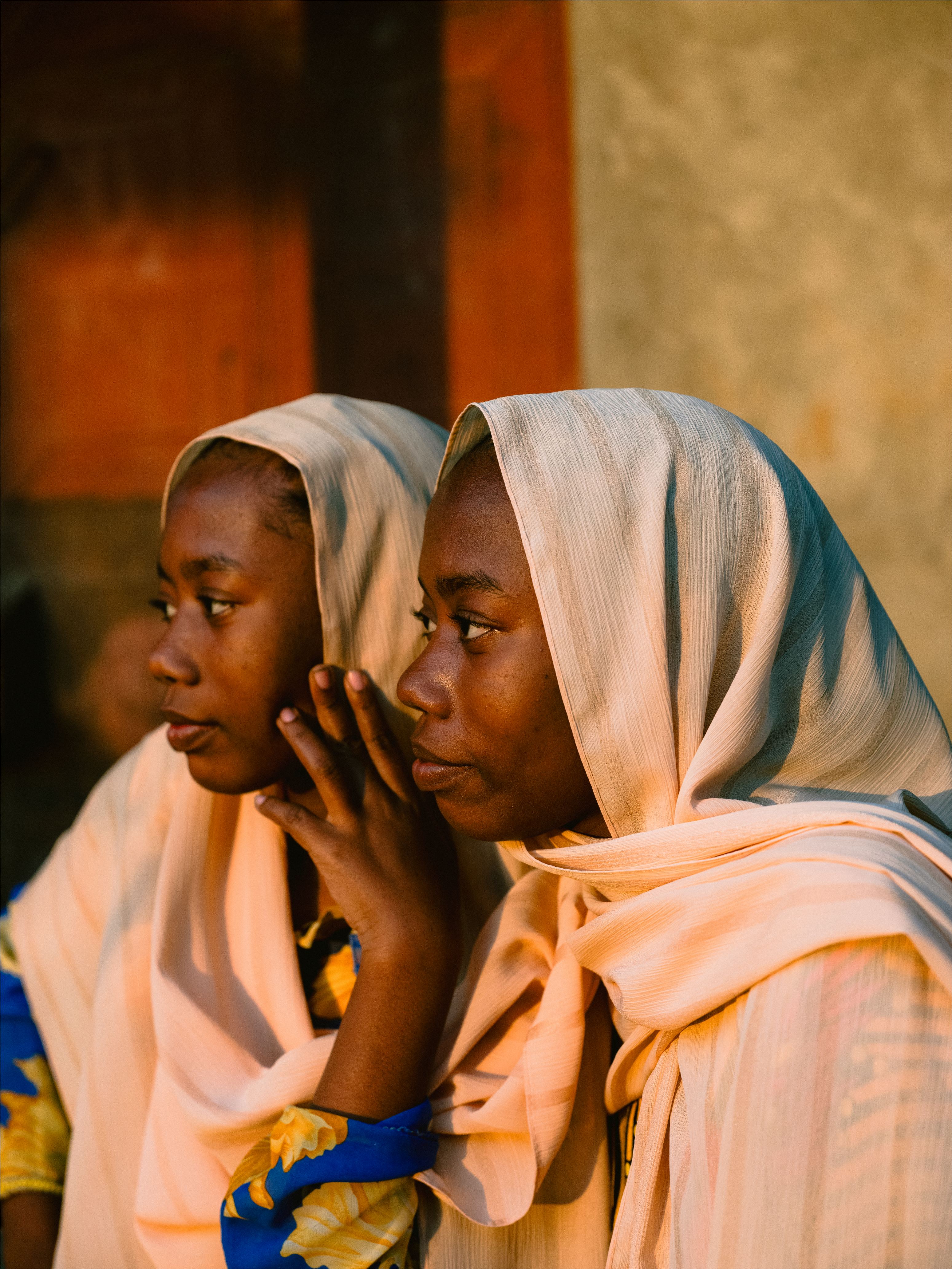
Suliya poses for a portrait with her twin sister at their home. The two have grown up side by side, though only Suliya developed lymphatic filariasis.
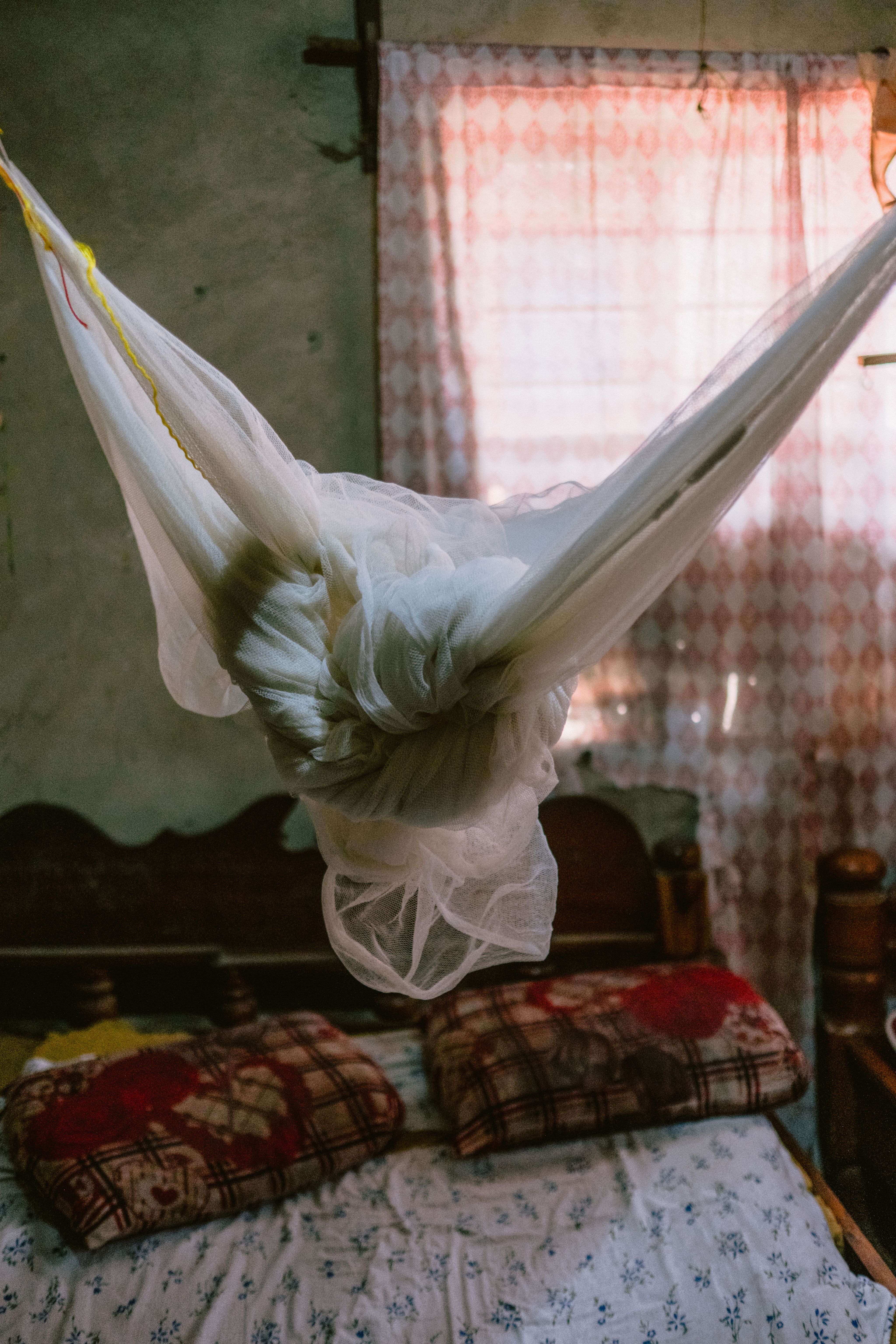
Suliya’s mosquito net hangs over her bed at her home. The nets are a simple, important defense against mosquitoes.
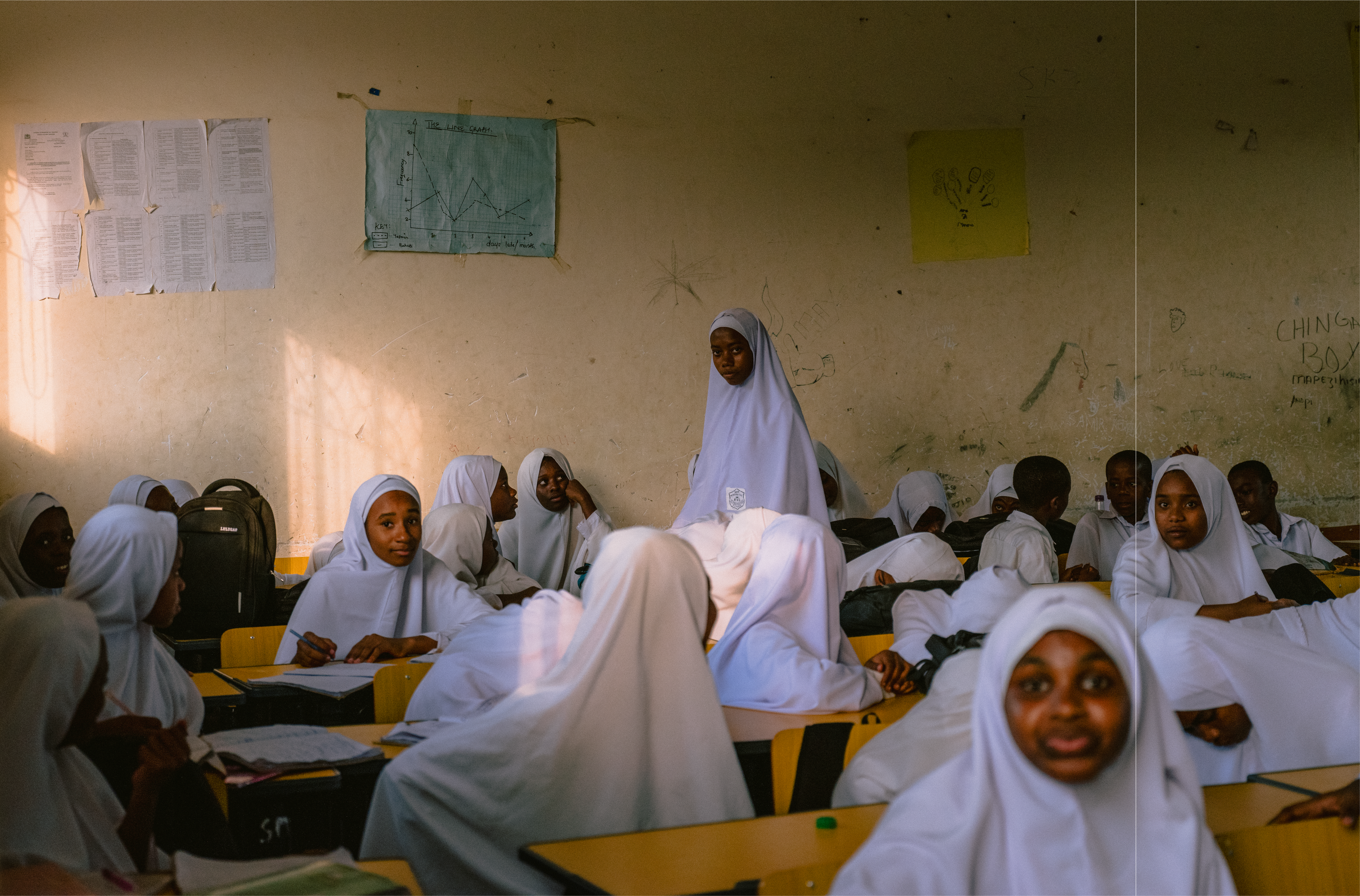
Suliya stands in her classroom.
Subira
At 72 years old, Subira resides with her husband in Ndijani Village in the Central District of Zanzibar. She worked as a secretary at a television broadcasting company for 27 years while raising eight children. The first signs of lymphatic filariasis appeared in her body when she turned 15 through recurring high fevers and painful leg swelling that made her miss school for extended periods. She leads an active independent life by working on her cassava farm and collecting coconuts while taking care of her household. She wants everyone to understand that lymphatic filariasis should never cause anyone to feel ashamed.


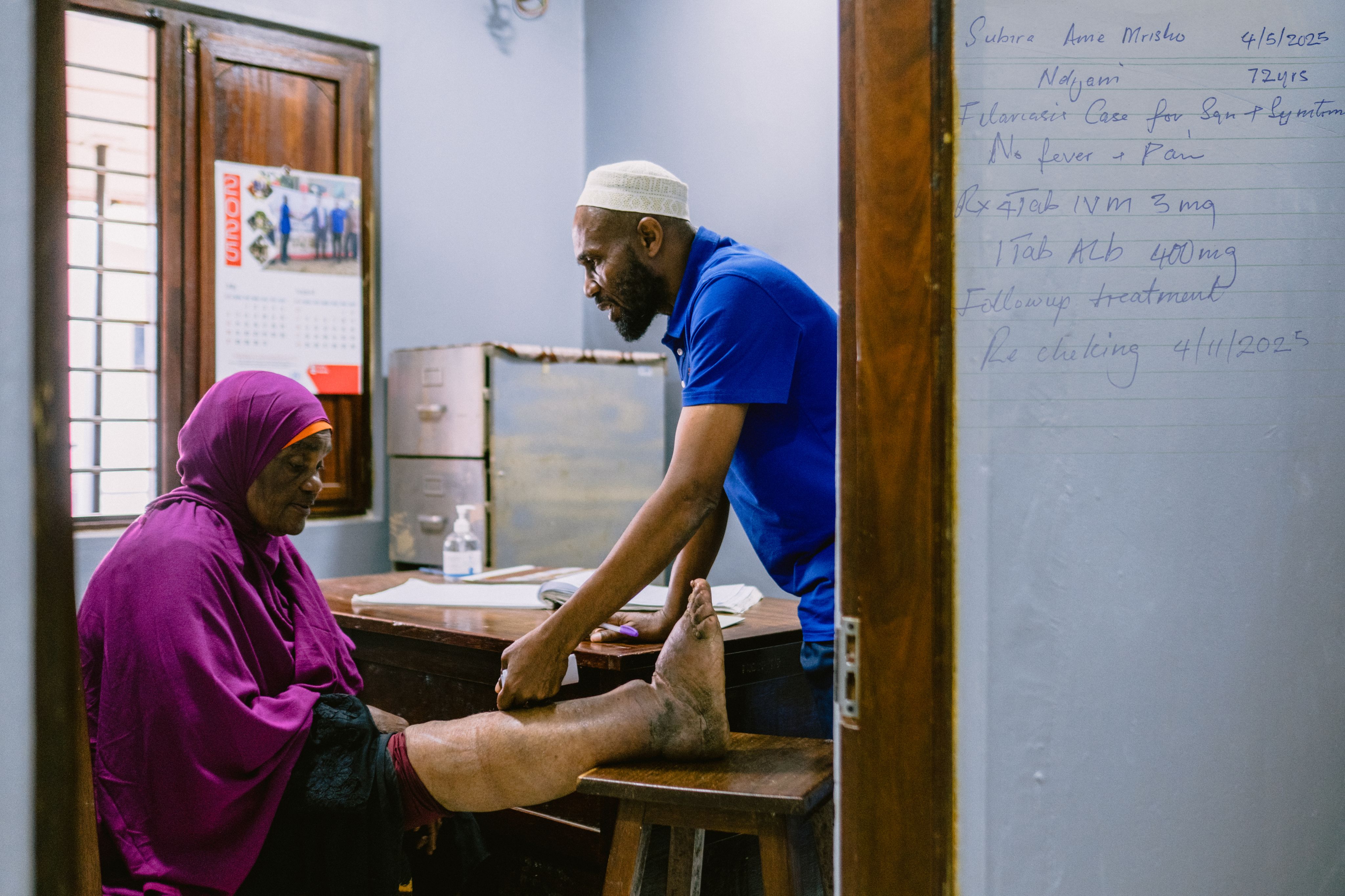
Subira has her swollen leg examined by a clinician during a check-up.
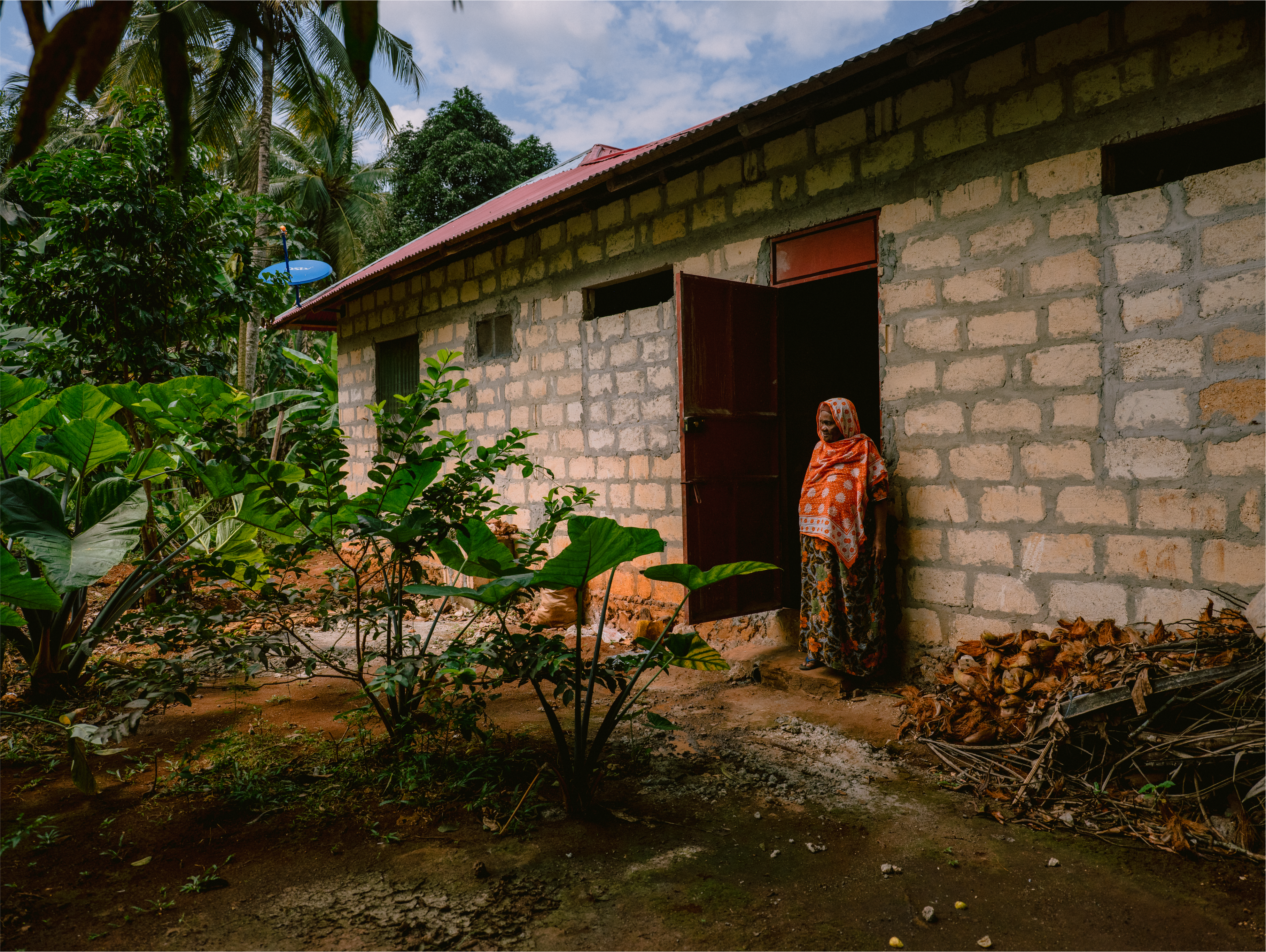
Subira stands outside her home in Ndijani Village, where she tends her garden.
Maheder Haileselassie
AYIN
Trachoma is a bacterial eye infection that thrives in areas lacking adequate sanitation infrastructure. Limited access to clean water makes regular face and handwashing difficult, allowing infected eye and nasal discharge to spread through hands, clothing, bedding, and flies.
ABOUT THE PROJECT
AYIN uses a creative approach to demonstrate the impact of trachoma on women and girls in Gambela’s Mejeng and Nuer zones, Ethiopia. Women and girls bear a disproportionate burden of trachoma, the world’s leading infectious cause of blindness. As primary caregivers, they face frequent exposure to infected children. Ethiopia has the largest burden of trachoma remaining in the world. This work, to an extent, is a mere interpretation of the experiences of what living with trachoma feels like, utilizing documentary presence, archive, and visibility to bring attention to a persistent disease that the world has long developed the tools to eliminate.
The Mejeng and Nuer zones of Gambela are in a region of Ethiopia with dense forest, unpaved gravel roads and a lack of access to clean water — all ideal grounds for the trachoma-causing bacteria to thrive. As a result, women are blinded up to four times as often as men by trachoma, and are nearly twice as likely to develop trichiasis, the blinding stage of the disease.
The women of this region have shared the pain that forced them to isolate themselves, lose sleep for months and, afraid of the sun, not even do a simple activity like looking up at the sky.
Trachoma is one of the few NTDs for which evidence on gender differences has translated into explicit program guidance. While the WHO-endorsed SAFE strategy (Surgery, Antibiotics, Facial cleanliness and Environmental improvement) has guided elimination efforts for decades, more recent implementation guidance recognizes that women bear a disproportionate burden of trichiasis and recommends monitoring whether case finding,
referral and surgical services are reaching women equitably.
ABOUT THE PHOTOGRAPHER
Maheder Haileselassie is a visual artist born and based in Addis Ababa, Ethiopia. She explores themes of history, identity and communal issues, drawing connections between past archives and present day events. Her work stands at the intersection between documentary photography and contemporary experimental approaches. She is also the founder of the Center for Photography in Ethiopia. Maheder is a 2025 Magnum Foundation Fellow and a Sharjah Art Foundation program grantee.
Kuon Chol, mother of four, underwent trachomatoustrichiasis (TT) surgery on her left eye as part of the surgery treatment campaign in Gambela region, Ethiopia.
“The images in this project are blurred and scratched as a metaphor for the blurred vision, repeated infection and scarring of the cornea. This work, to an extent, is a mere interpretation of the experiences of what living with trachoma feels like. But it’s also about these remarkable women who, after treatment, no longer feel isolated, ashamed, burdened or pained, both physically and emotionally due to trachoma.”
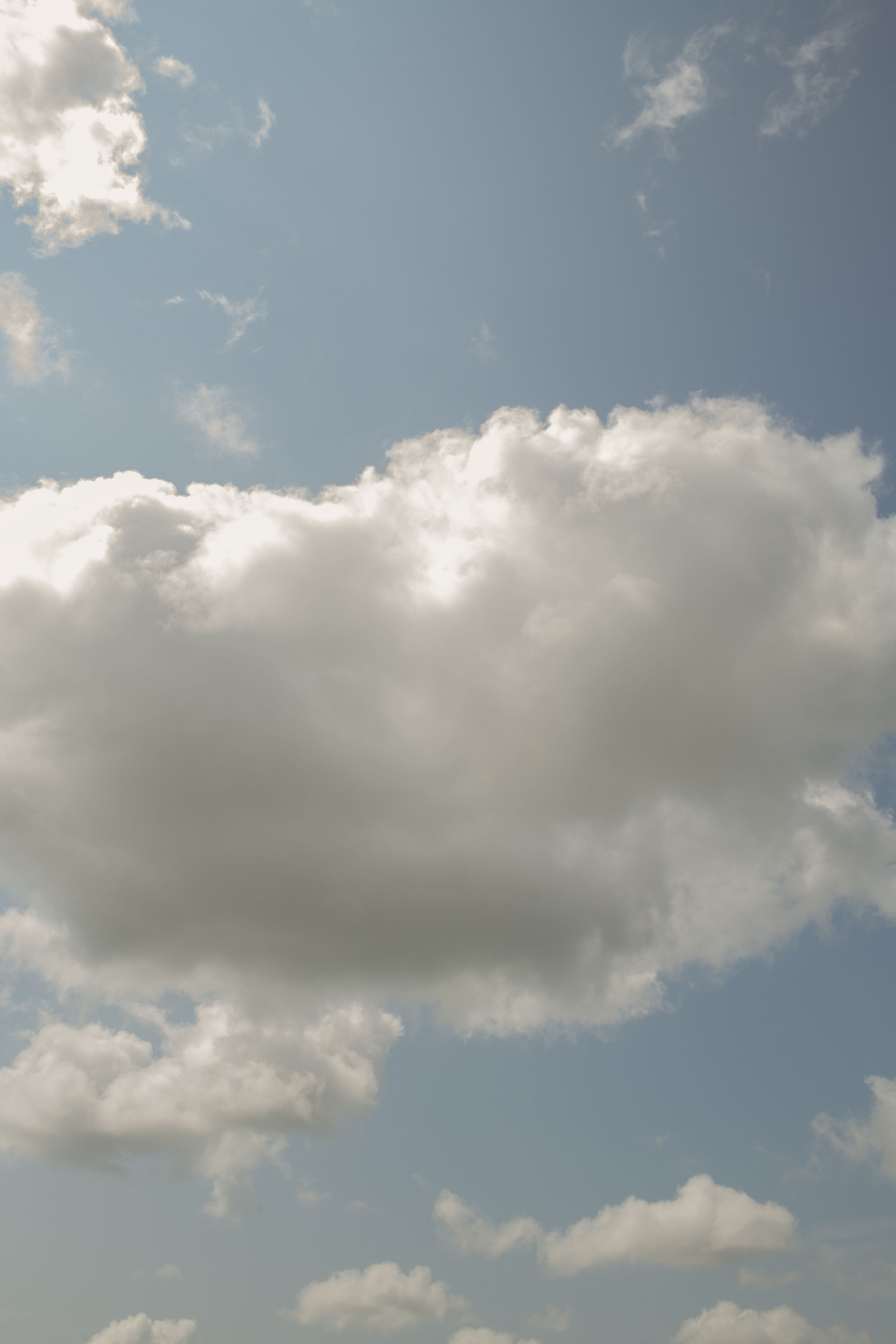
Can’t look up at the sky. Nuer zone, Gambela region, Ethiopia.
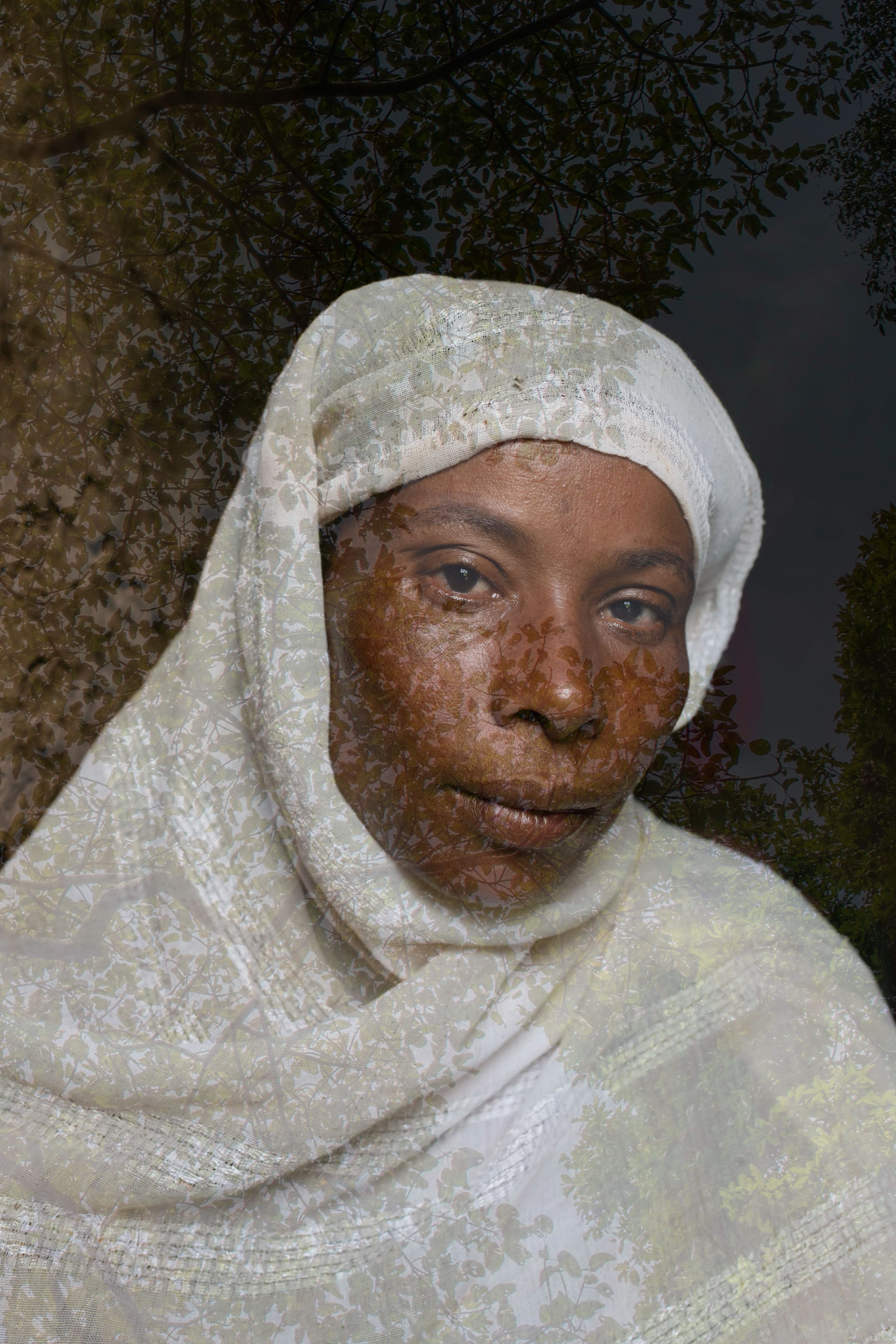
Fate Yimer lives with her young daughter in Gambela region, Ethiopia. She had a bilateral upper-lid surgery that she says highly improved her vision and removed the pain from both her eyes
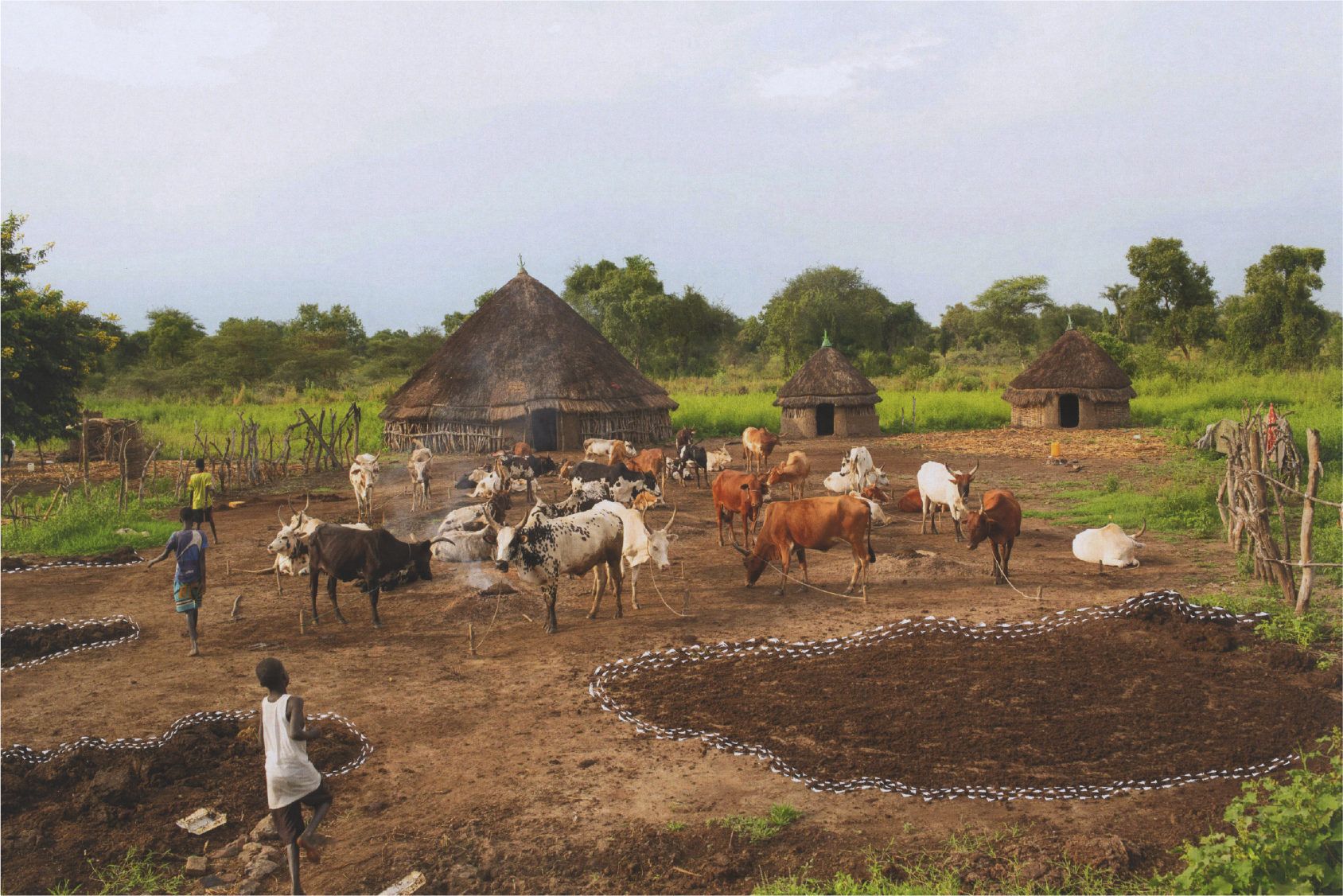
Cow dung is a breeding ground for the eye-seeking flies that transmit bacteria. Nuer zone, Gambela region, Ethiopia.
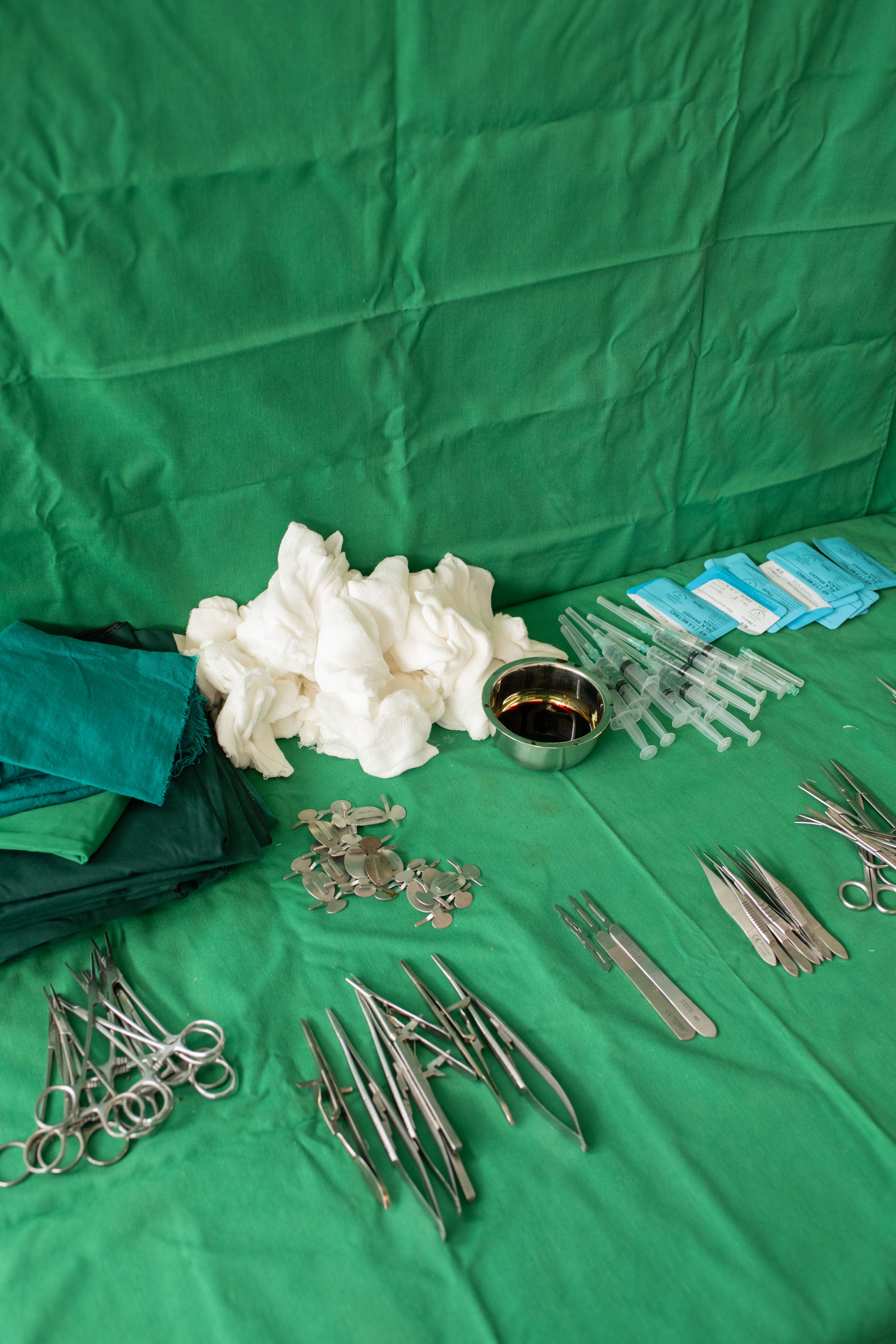
TT surgery tools are laid down prior to the arrival of patients at the hospital.
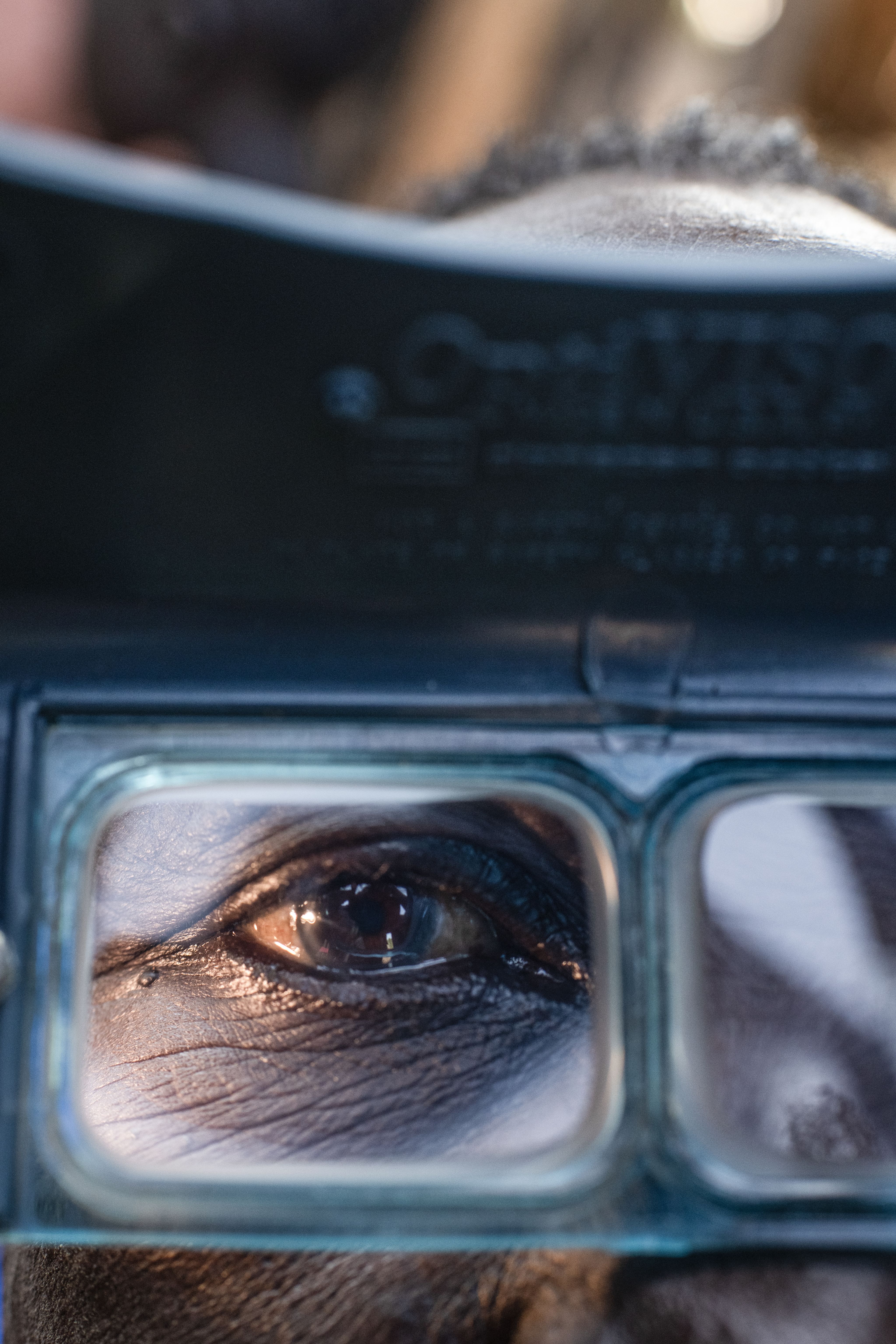
A medical examiner puts a magnification loupe on an elderly patient’s eye.
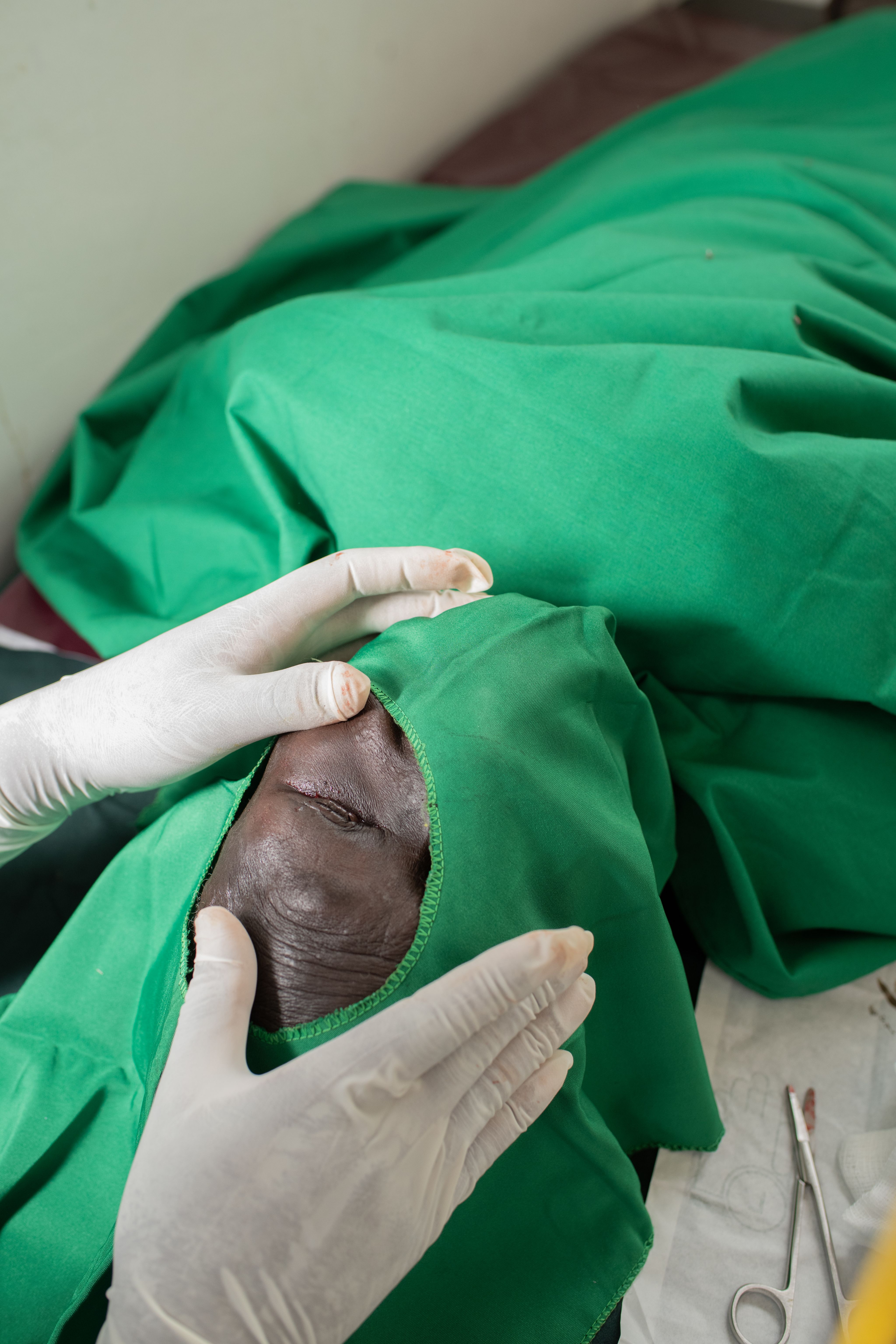
A TT surgery in progress. All photos in Nuer zone, Gambela region, Ethiopia.


Something like a blurriness. Mejeng zone, Gambela region, Ethiopia.
Maureen Gathoni
TERMES
Visceral leishmaniasis is a deadly parasitic disease spread through sandflies. If left untreated, it leads to death in 95 percent of patients who become symptomatic. Women often are doubly burdened by the disease as patients, but also as caregivers for sick family members.
ABOUT THE PROJECT
TERMES traces visceral leishmaniasis from its ecological origins to the hospital beds where mothers and children fight for survival. The project documents the intersection of disease, landscape and resilience in Kenya’s Baringo County. By documenting the lived experiences of women and girls affected by visceral leishmaniasis, this project honors the resilience and quiet strength of women who, despite the weight of illness, caregiving, and drought, continue to sustain their families and communities. Their stories are not only about survival but about strength, compassion, and the will to keep moving forward, even in the harshest conditions.
Transmitted through the bite of infected sandflies that thrive in anthills, the disease continues to devastate communities already struggling with poverty, food insecurity, and the worsening effects of climate change.
As droughts intensify, families migrate in search of water and pasture, they move into new sandfly habitats, increasing their risk of infection.
For women and girls, the impact of visceral leishmaniasis extends beyond illness. They bear the double burden of being both patients and caregivers, responsible for nursing sick relatives while managing domestic duties. When a family member falls ill, women often travel to distant hospitals, sometimes with their young children. This disrupts their livelihoods, education, and family routines. For girls with visceral leishmaniasis, stigma and misconceptions such as associations with witchcraft or pregnancy lead to social isolation and even depression.
ABOUT THE PHOTOGRAPHER
Maureen Gathoni is a conservation photographer based in Kenya. Her work entails documenting the interconnected stories of people, wildlife, and conservation. She is highly engaged in documenting how neglected tropical diseases disproportionately affect women and girls, and in exploring the ways climate change contributes to the spread and increased vulnerability of these diseases in affected communities.
Chesopich, a kala-azar survivor, stands next to a sandfly anthill close to her home in Kadinding, Baringo County, Kenya.
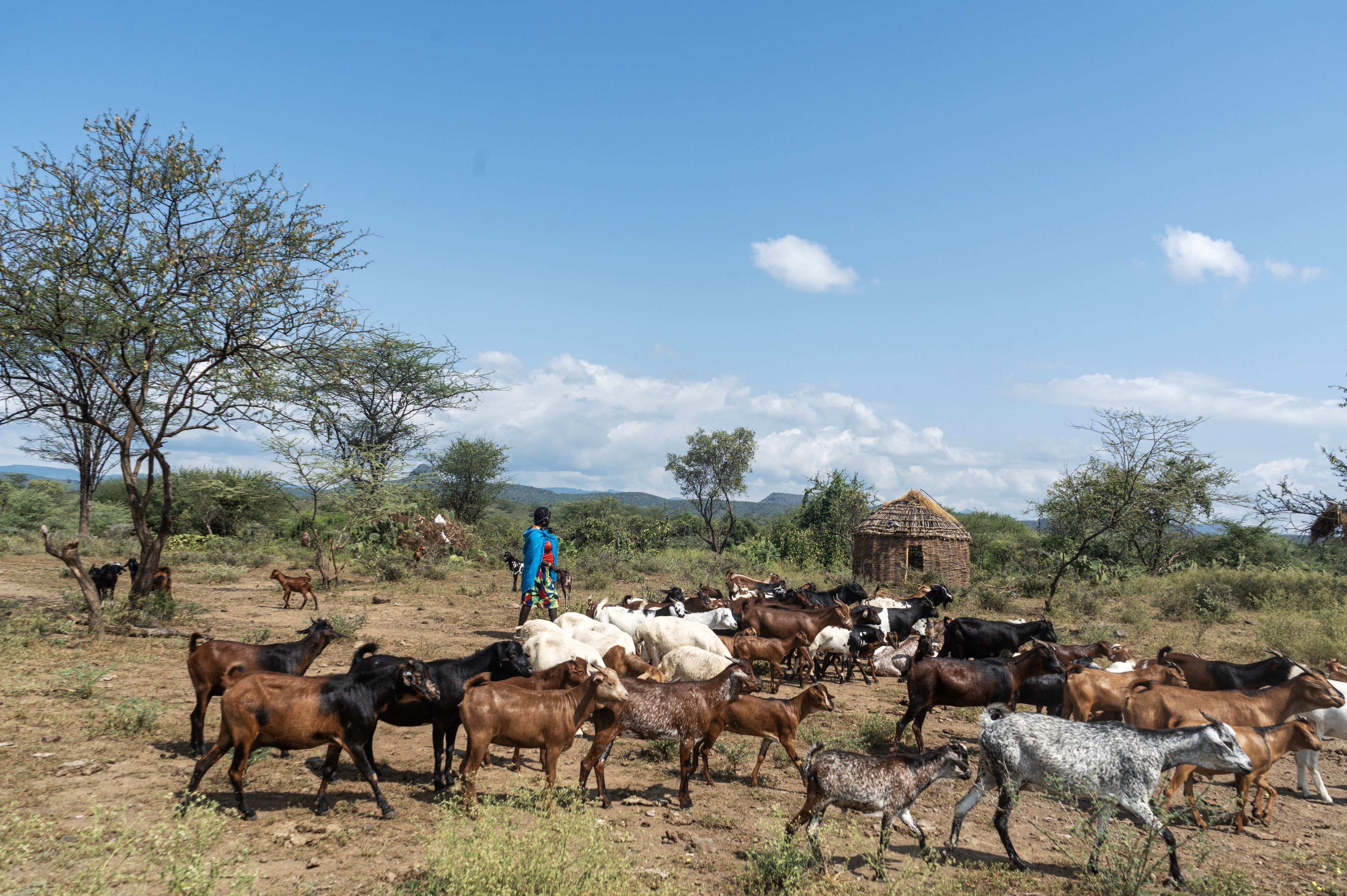
Chesopich Didi walks through shrubs with her dad on their way to fetch water at Kadinding in Baringo County.
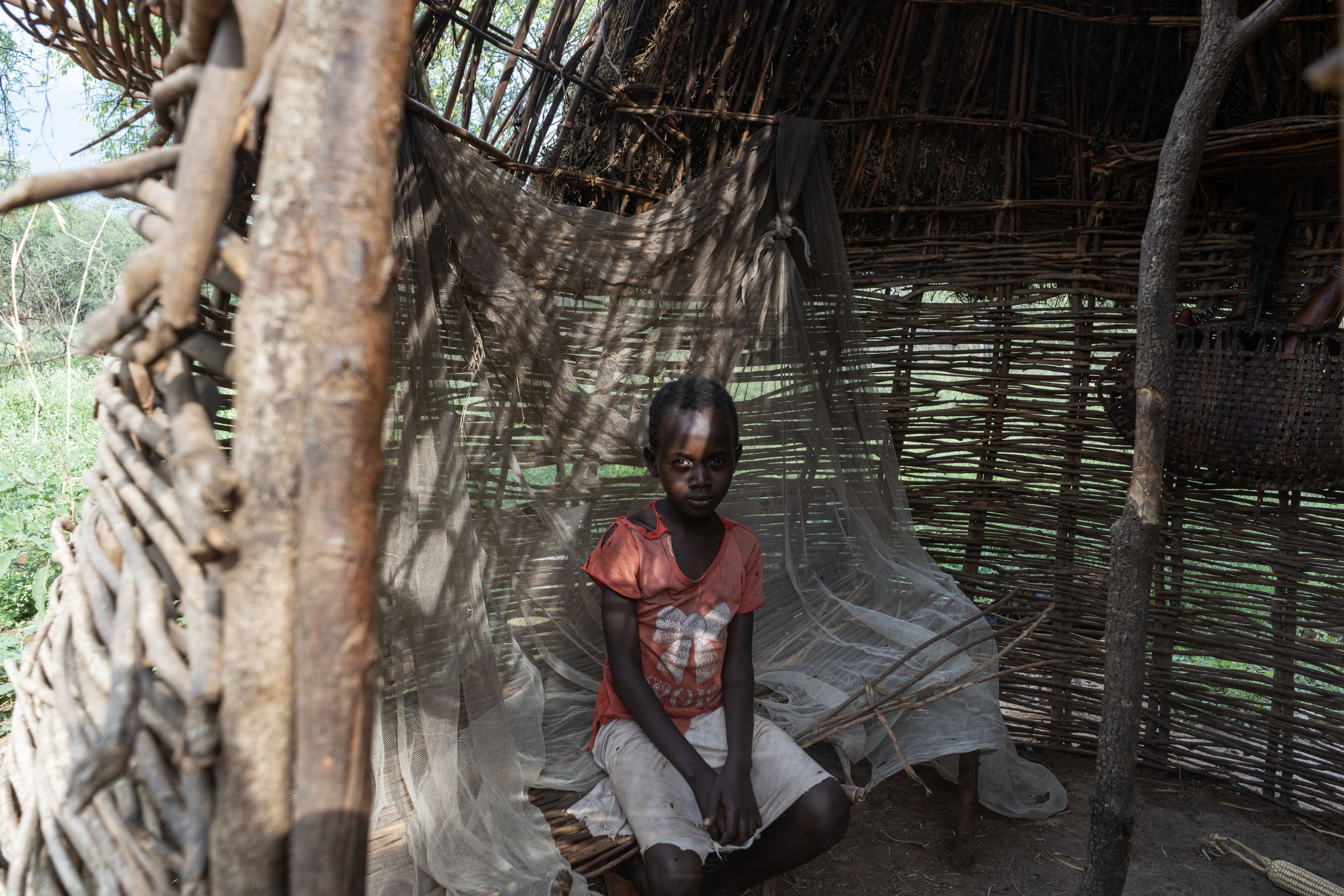
Chesopich has battled kala-azar five times and was last discharged from hospital in November 2024. She and her family migrated from their previous home after her second relapse in 2023, when sandfly anthills were many near their compound. Now recovered, Chesopich is now going to school and is healthy.
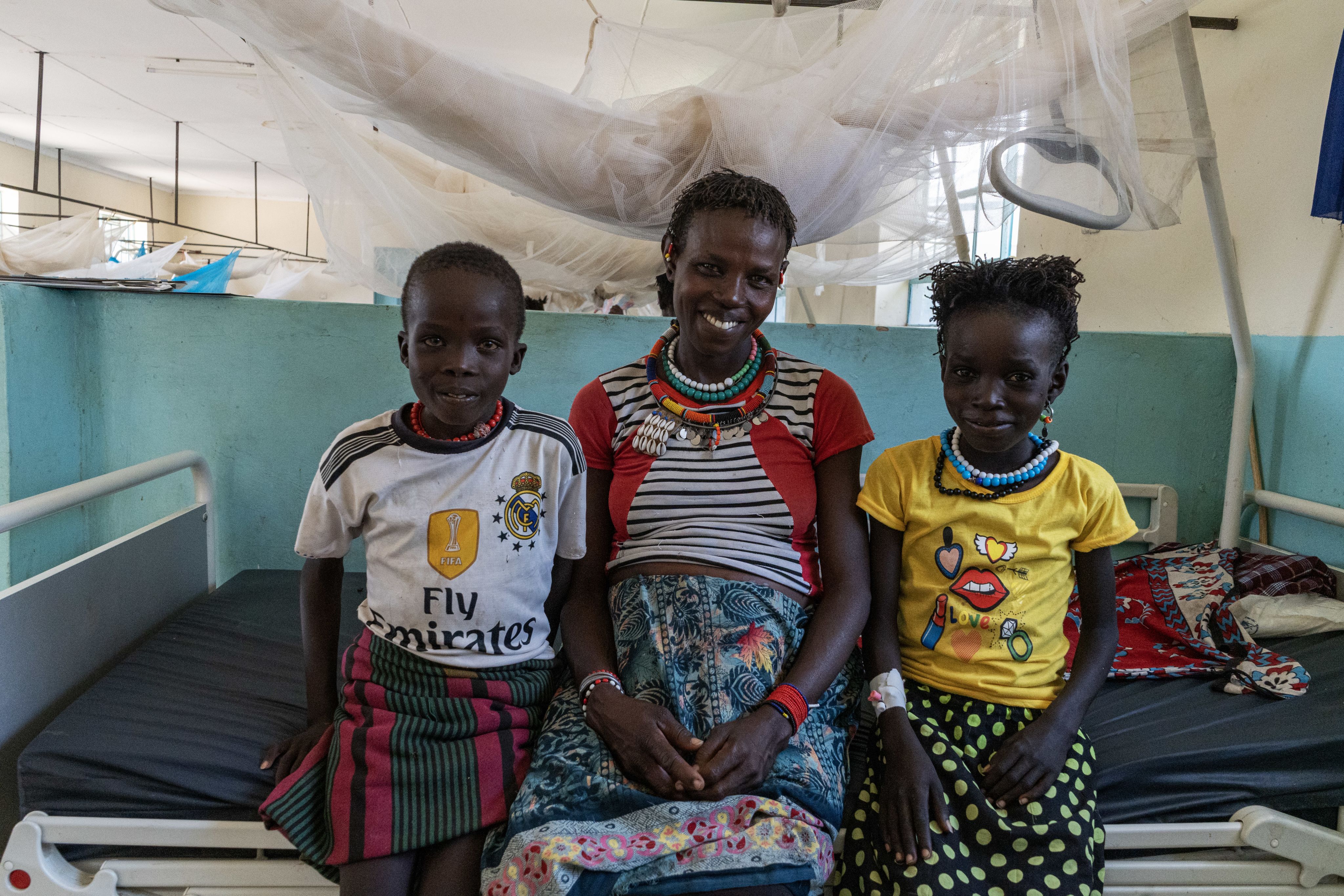
Chepokaptoyoi Chemko (middle) with her children Lopenyo (left) and Belinda (right), who are receiving treatment for visceral leishmaniasis, sits on a hospital bed at Chemolingot sub-county hospital in Baringo County, Kenya.
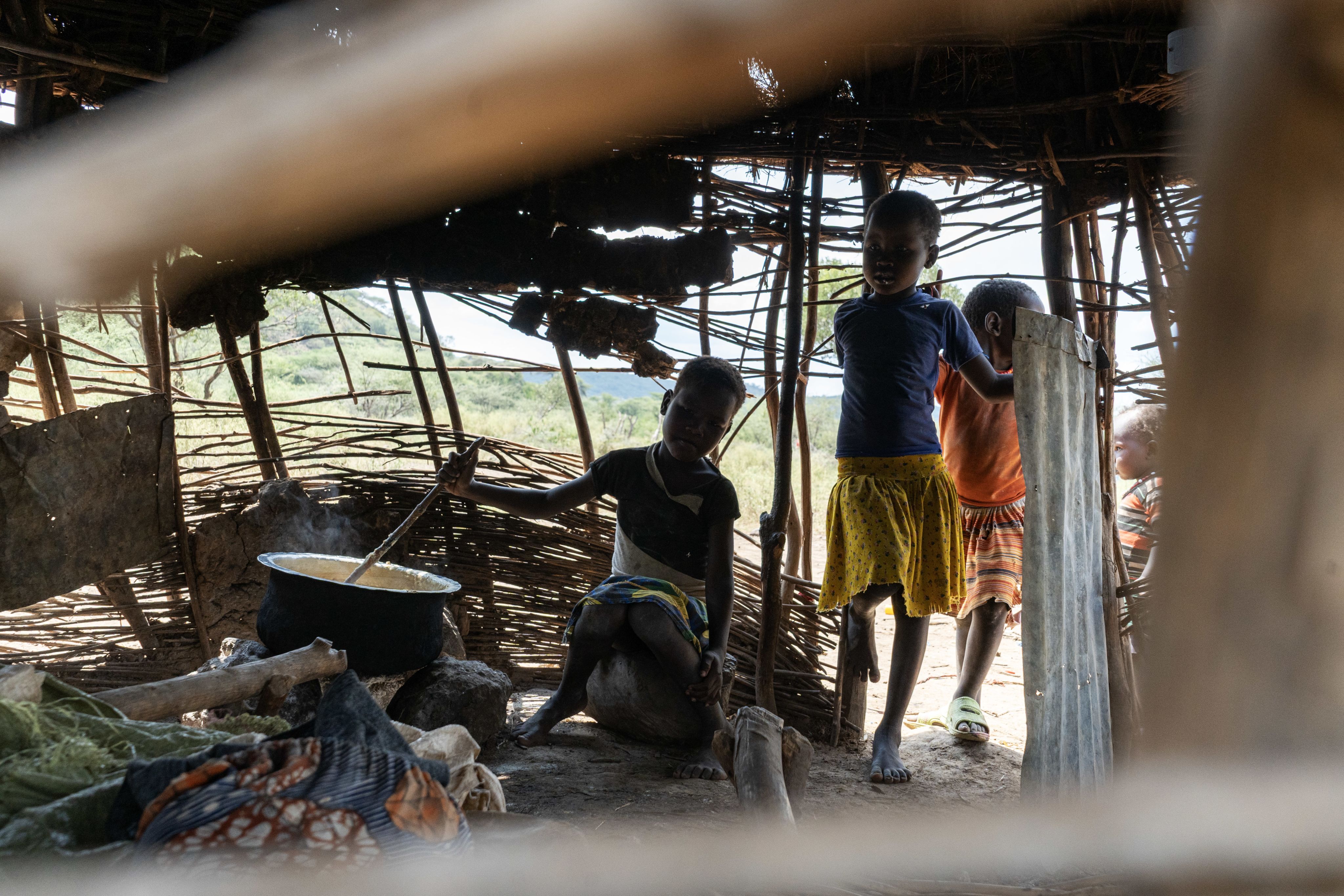
A girl prepares a meal in her family’s kitchen at Seretion in Baringo County, Kenya. While not affected by kala-azar, she represents the daily responsibilities of many women and girls in the region; cooking, fetching water, and caring for family members.
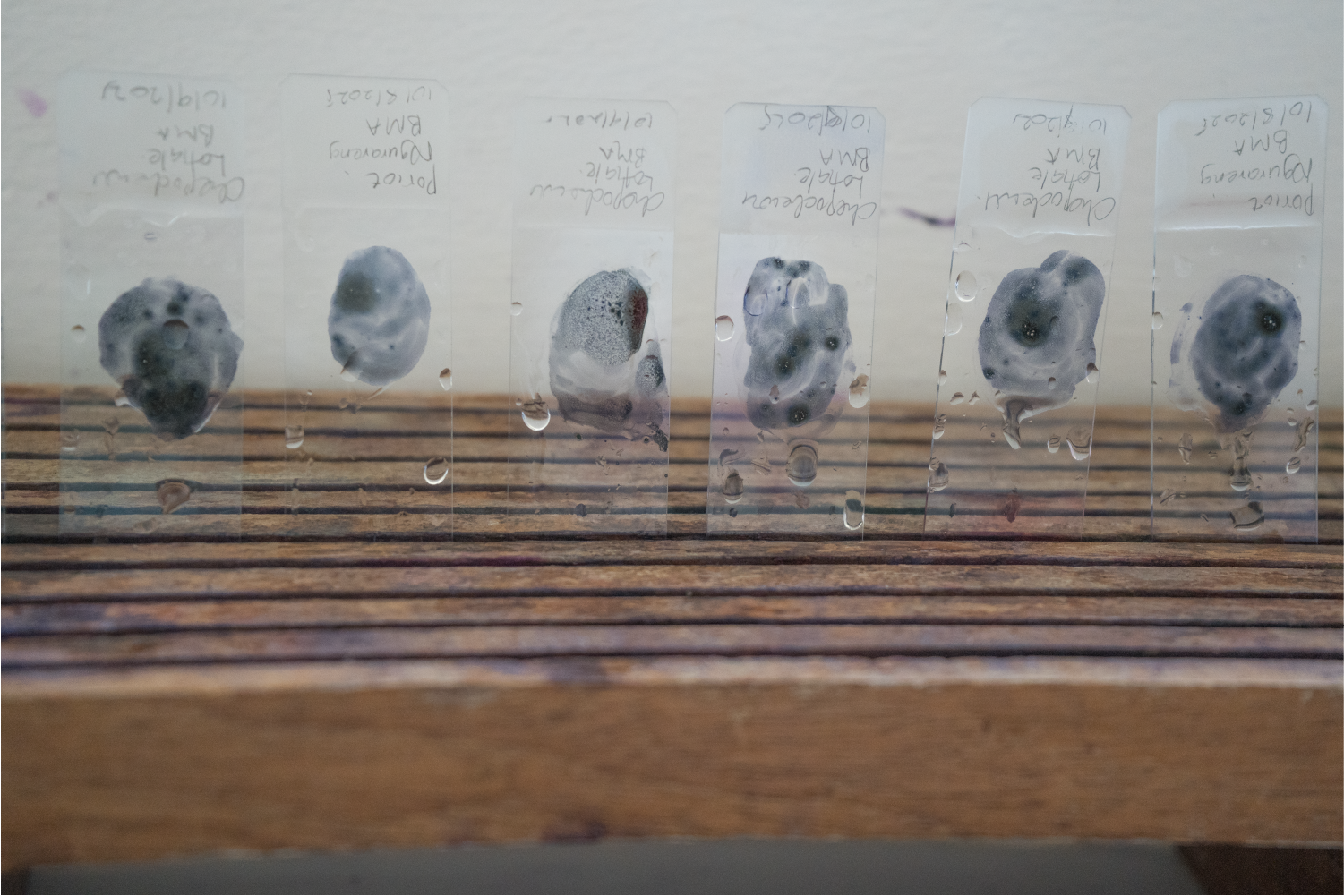
Laboratory slides prepared from a bone marrow sample for microscopic examination as part of kala-azar diagnosis stand in a drying rack at Chemolingot Sub-County Hospital in Baringo County, Kenya.
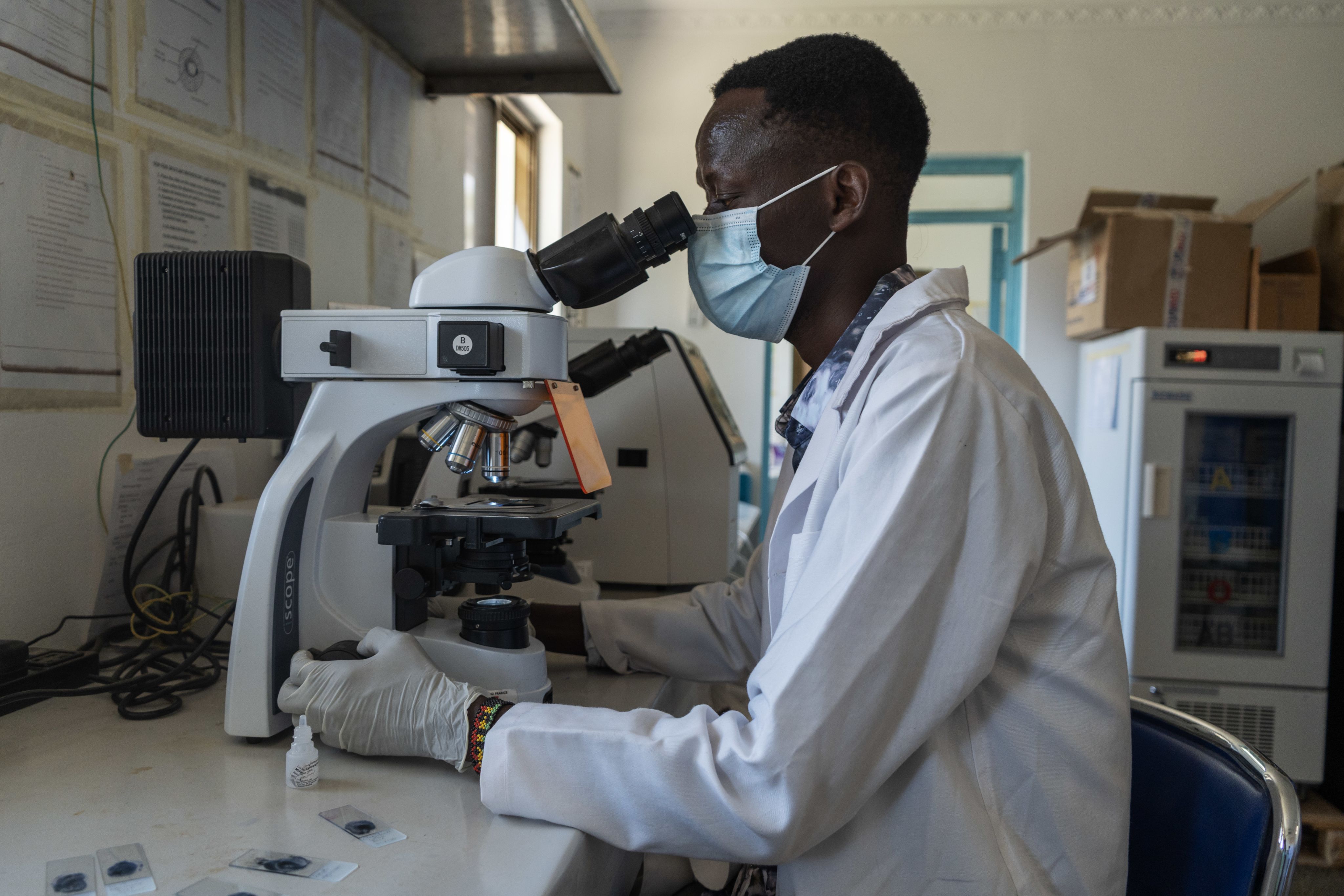
Benson Akeno, a laboratory technician, examines samples taken from a bone marrow procedure under a microscope at Chemolingot sub-county hospital, Baringo County, Kenya.
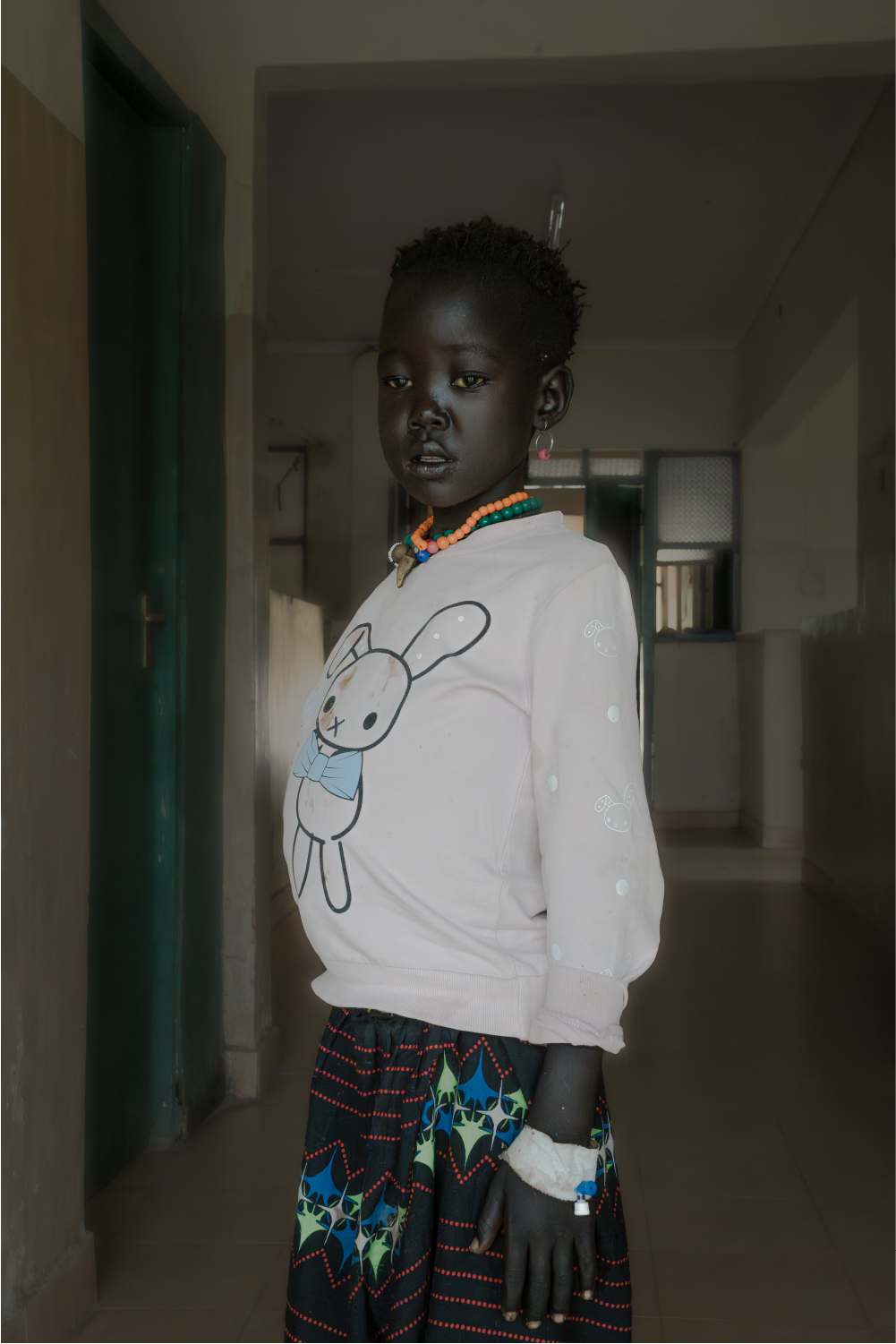
Cheptarus, a 10-year-old kala-azar patient with an enlarged spleen stands inside kala-azar ward at Chemolingot sub-county hospital in Baringo County, Keny


 Built with Shorthand